

Best cars for towing NZ: the quick answer
Popular towing vehicles in New Zealand include capable double-cab utes and larger 4WD SUVs.
Vehicles worth comparing include the Ford Ranger, Toyota Hilux, Mitsubishi Triton, Nissan Navara, Isuzu D-Max, Ford Everest, Toyota Land Cruiser 300 and Mitsubishi Pajero Sport.
The best option depends on what you actually tow. Someone towing a lightweight garden trailer has very different requirements from a family towing a large caravan or a heavy boat.
Do not choose a tow vehicle using its headline maximum towing number alone. The exact model, variant, vehicle loading, tow-ball download, payload and gross combination limits also matter.
Once you know what type of vehicle you require, compare the purchase price and resulting repayments rather than automatically buying the most capable vehicle available.
If you are mainly comparing utes, our ute finance NZ guide provides a broader ute-finance comparison, while our 4WD finance NZ guide covers serious 4WD ownership and borrowing considerations.
What matters when choosing a towing vehicle?
Loaded trailer weight
Choose the vehicle around what the trailer will actually weigh when loaded, not just its empty weight.
Braked towing rating
Check the manufacturer's rating for the exact vehicle and variant you intend to buy.
Payload
Passengers, luggage, accessories and tow-ball download can all use available vehicle payload.
Gross combination limits
A headline tow rating does not mean you can necessarily load the vehicle and trailer to every individual maximum at the same time.
Drivetrain
2WD, AWD and 4WD can suit different towing environments and launch or off-road situations.
Running costs
Fuel, RUC where applicable, tyres, servicing and insurance belong in the towing budget alongside finance repayments.
Do you actually need a 3,500kg towing vehicle?
A 3,500kg maximum braked towing rating is useful for buyers who genuinely need substantial towing capacity, but many trailers weigh considerably less.
Buying a larger, heavier and more expensive vehicle simply because it can tow 3.5 tonnes can mean taking on a larger finance commitment than your actual towing requirement demands.
Start with the loaded weight of the caravan, boat or trailer you expect to tow.
Then allow an appropriate margin and check the exact manufacturer's towing, payload and combination limits for the vehicle.
If your towing requirement is relatively light, a less expensive SUV or ute may provide all the capability you need.
The aim is to finance enough towing capability rather than the maximum possible capability.
What kind of tow vehicle might suit your needs?
| What you tow | Vehicle type to consider | Finance consideration |
|---|---|---|
| Small garden or utility trailer | Many conventional cars or SUVs | You may not need to finance a large 4WD or ute. |
| Small boat | SUV or ute | Check actual loaded boat and trailer weight before choosing the vehicle. |
| Medium boat | Capable SUV, ute or 4WD | Greater towing capability can increase the purchase price and finance amount. |
| Small caravan | SUV or ute | Match the vehicle to the caravan's loaded weight rather than buying on size alone. |
| Large caravan | Higher-capacity ute or 4WD SUV | Payload, tow-ball load and gross combination limits become particularly important. |
| Heavy work trailer | Appropriately rated ute or heavy-duty vehicle | Budget for work-related operating costs alongside the finance repayment. |
How much towing vehicle could fit your budget?
How much towing vehicle could fit your budget?
Estimate your indicative borrowing power before deciding whether you need a $35,000 used ute or a much higher-priced late-model towing vehicle.
See My Tow Vehicle Budget →1. Ford Ranger
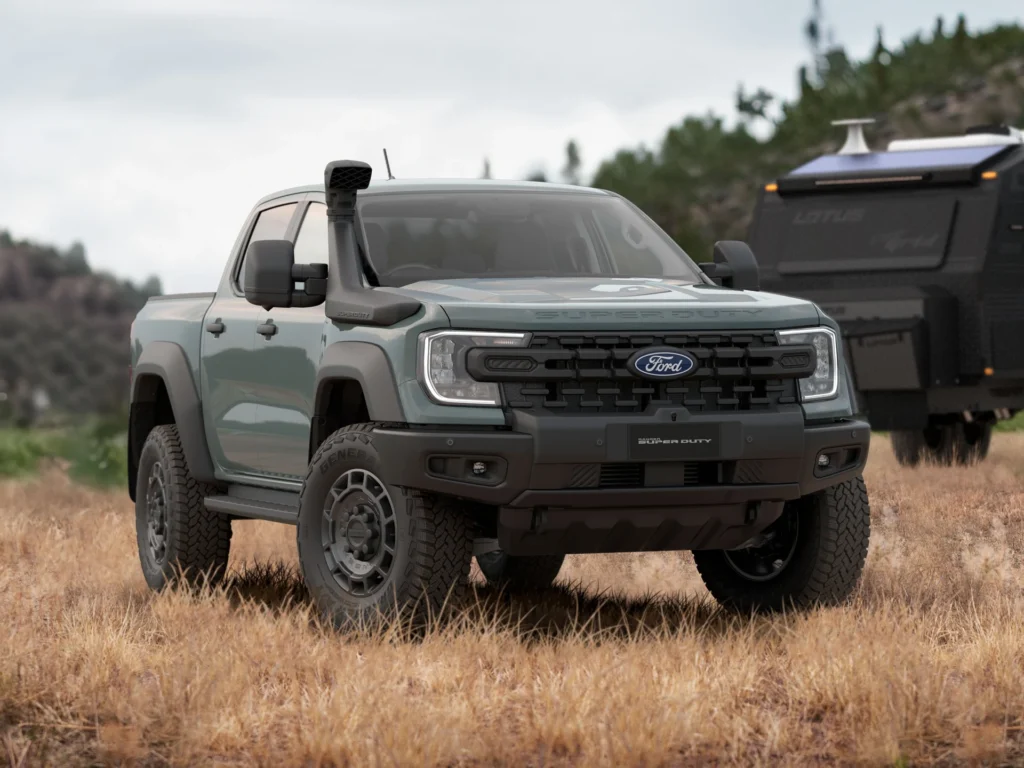
The Ford Ranger is one of the obvious vehicles to compare when towing is a major part of the purchase decision.
Different Ranger variants can provide substantial towing capability while retaining the practical tray and double-cab format that makes the vehicle useful for work, family travel and recreation.
For buyers towing caravans, boats or equipment, the Ranger's appeal is that it can combine towing capacity with useful cargo capability.
However, do not treat every Ranger as identical. Engine, variant, equipment, accessories, vehicle loading and model year can affect the exact limits relevant to your setup.
A high-specification Ranger can also cost considerably more than an older or lower-specification example, so calculate how much the additional capability and features add to your repayments.
If a Ranger is already on your shortlist, see our Ford Ranger finance NZ guide for model-specific finance information.
2. Toyota Hilux
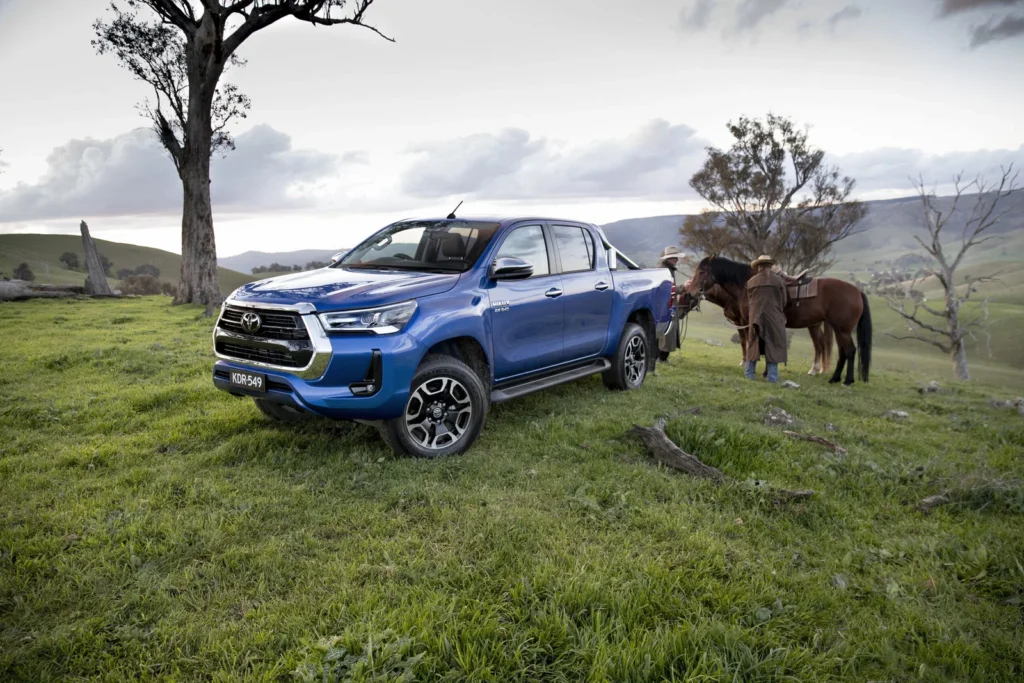
The Toyota Hilux is another popular ute worth comparing for towing in New Zealand.
Its combination of work-focused design, 4WD availability and strong towing capability makes it relevant to buyers towing boats, caravans, trailers and work equipment.
As with every tow vehicle, check the exact Hilux variant rather than assuming all model years and powertrains have identical ratings.
Newer Hilux variants can also represent a significant vehicle purchase, while older used Hiluxes can bring the borrowing requirement down substantially.
When comparing new and used vehicles, consider the condition, kilometres, service history and evidence of previous heavy towing in addition to the purchase price.
Our Toyota Hilux finance NZ guide covers Hilux repayments and finance considerations in more detail.
3. Mitsubishi Triton
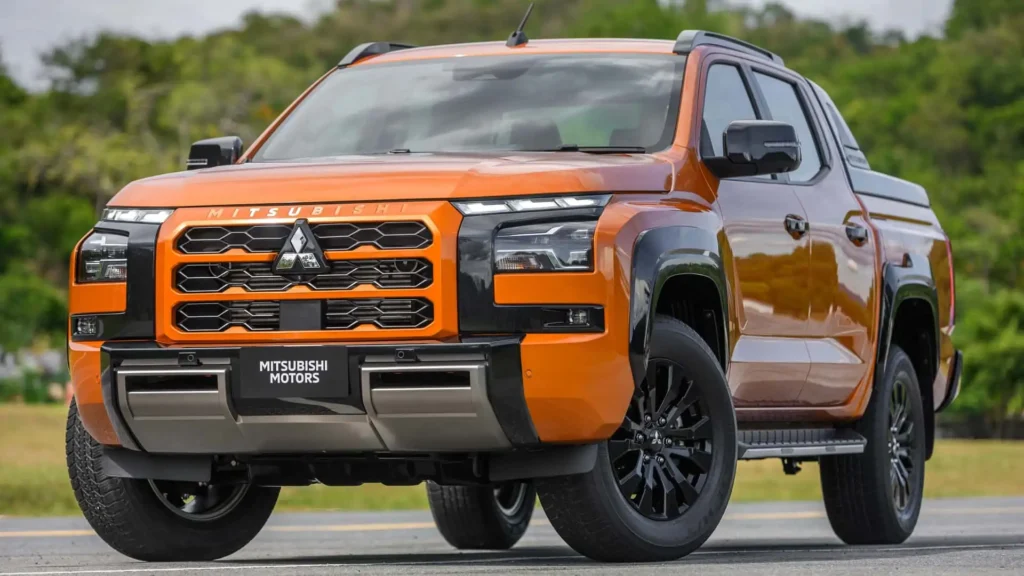
The Mitsubishi Triton is another double-cab ute that can be worth including on a towing shortlist.
Depending on the exact vehicle and variant, it can combine substantial towing ability with the flexibility of a work and recreational ute.
For some buyers, the Triton can represent an alternative to the Ranger and Hilux at a different purchase-price point.
That price difference can be important when financing the vehicle because reducing the amount borrowed directly changes the repayment.
If you are buying used, inspect the vehicle for signs of demanding work, repeated heavy towing or off-road use and consider an appropriate pre-purchase inspection.
For a model-specific breakdown, see our Mitsubishi Triton finance NZ guide.
4. Nissan Navara
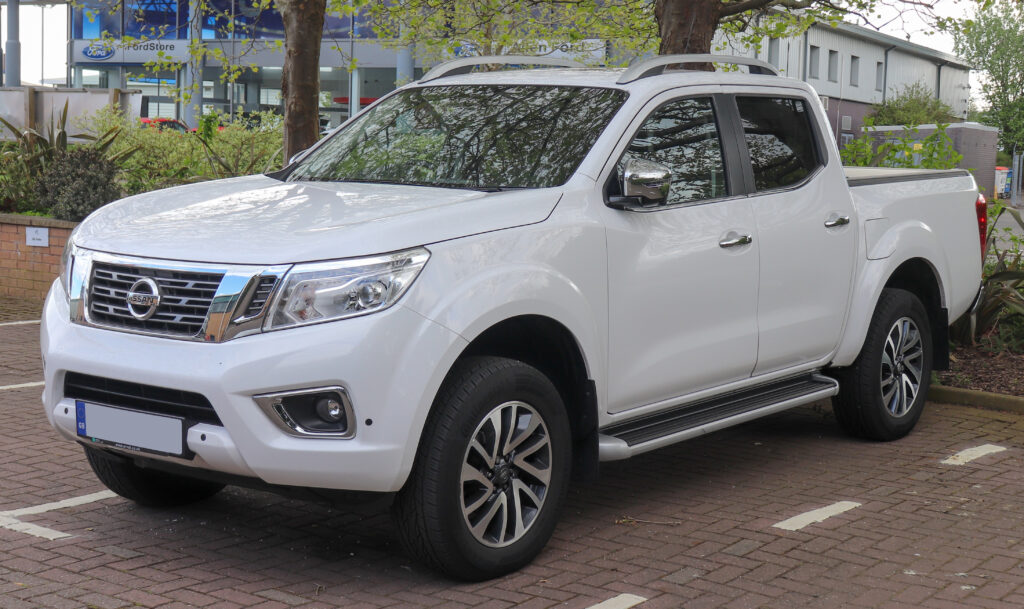
The Nissan Navara is another ute that frequently enters the conversation when buyers need a vehicle capable of towing a substantial trailer.
A dual-cab Navara can provide passenger space, a separate load area and significant towing capability in one vehicle.
That can suit buyers who want a tow vehicle to perform several roles rather than owning a separate family SUV and work ute.
Pay attention to the complete vehicle-and-trailer combination rather than the headline towing figure alone.
Accessories, passengers, luggage, tow-ball load and the actual trailer weight all affect how the setup should be evaluated.
Our Nissan Navara finance NZ guide provides more model-specific finance information.
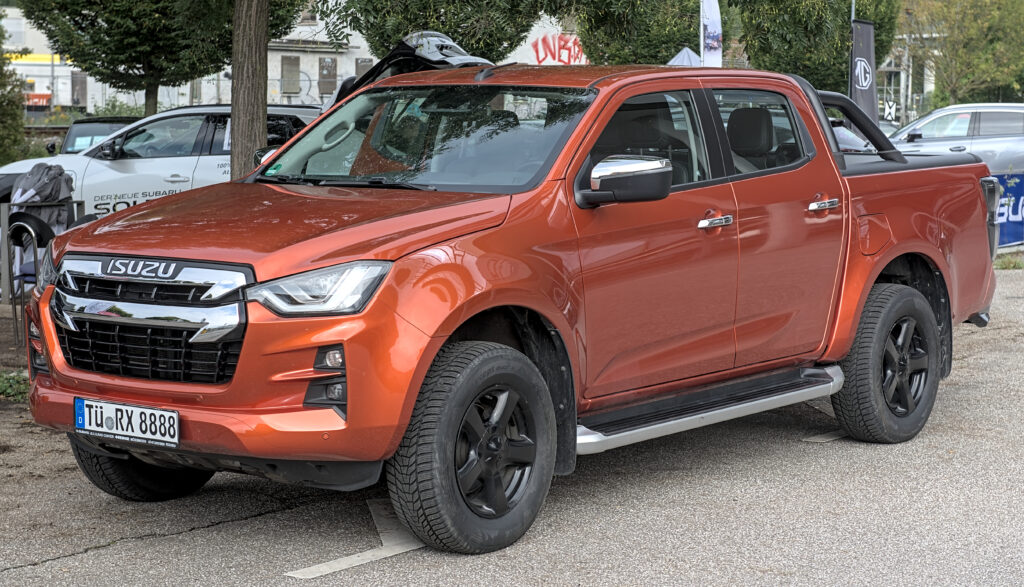
5. Isuzu D-Max
The Isuzu D-Max is another towing-focused ute worth comparing when the vehicle is expected to work hard.
It can appeal to buyers wanting a diesel ute with substantial towing and payload capability.
For regular towing, payload is particularly important because people, equipment, accessories and tow-ball download can all add weight to the vehicle.
A vehicle may have an impressive maximum trailer rating while its available payload becomes the practical limitation in a heavily loaded touring or work setup.
Before buying, check the exact variant's weight limits and calculate your own real-world load rather than relying on a generic model figure.
The D-Max can also be useful as a comparison point against the Ranger, Hilux, Triton and Navara when deciding how much you actually need to spend.
6. Ford Everest
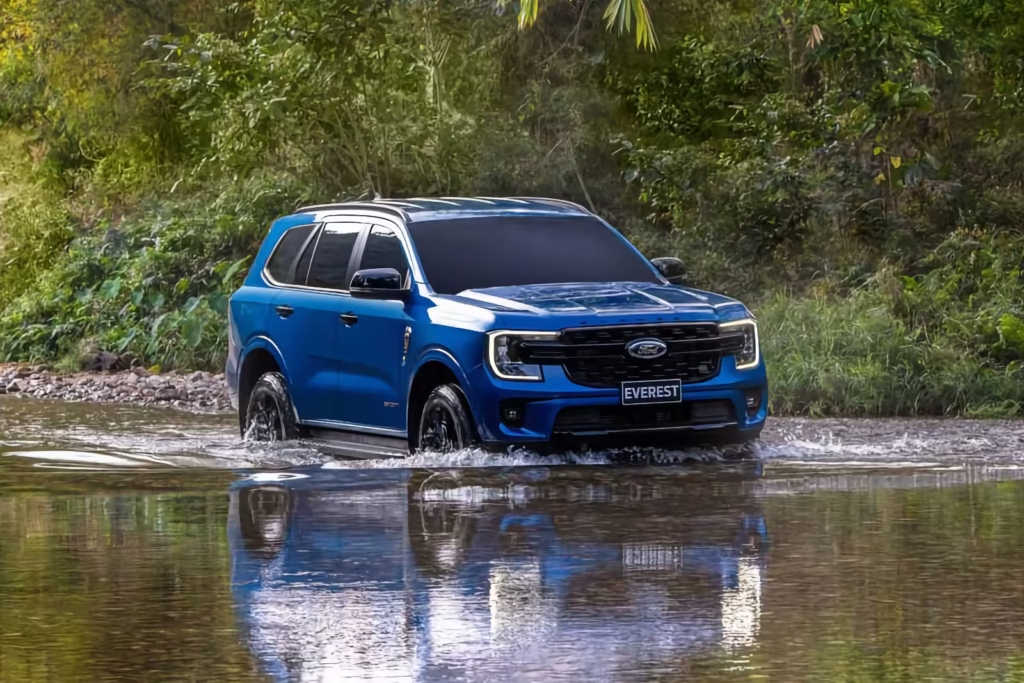
The Ford Everest gives buyers a different proposition from a ute because it combines substantial towing capability with an enclosed SUV body and seven-seat family practicality.
That can make it particularly attractive to families towing a caravan or boat who do not need an open tray.
A seven-seat SUV also gives you more passenger flexibility, but passenger and luggage weight must still form part of the towing calculation.
The more people and equipment loaded into the vehicle, the more important gross vehicle and combination limits become.
If you need both family seating and towing capability, the Everest can therefore be more relevant than buying a ute simply because utes dominate towing discussions.
Our 7-seater finance NZ guide is useful if passenger capacity is as important to you as towing.
7. Toyota Land Cruiser 300
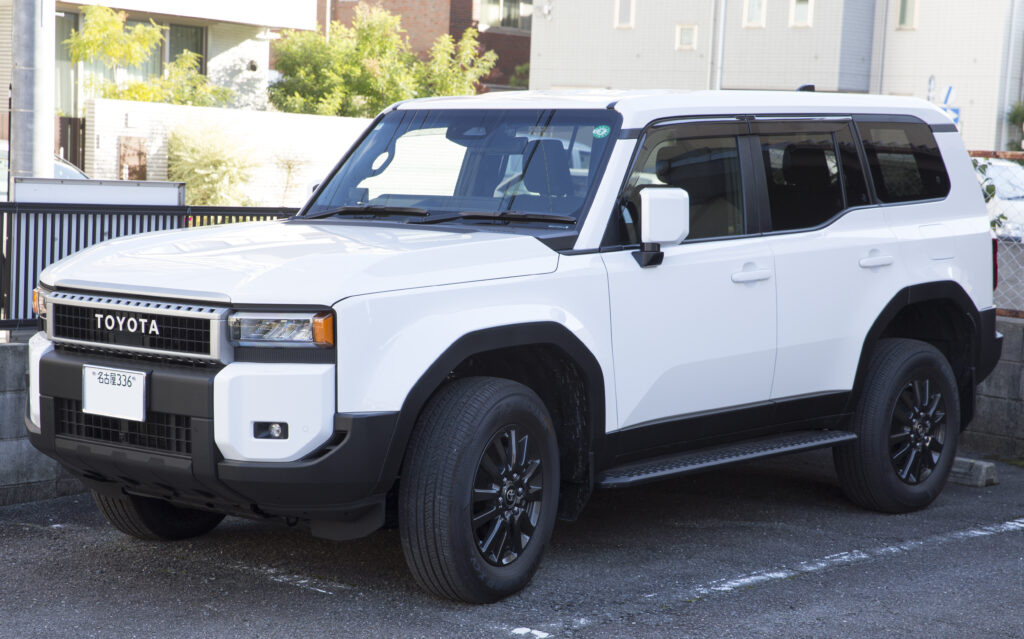
The Toyota Land Cruiser 300 sits at the larger and more expensive end of the towing-vehicle market.
It combines serious 4WD capability with substantial towing ability and passenger accommodation, which can suit buyers towing large caravans, boats or trailers in demanding conditions.
The trade-off is purchase price. Moving from a mainstream ute into a Land Cruiser can substantially increase the amount financed.
For that reason, calculate what the extra vehicle cost adds to your monthly repayment before deciding that maximum capability is necessary.
Also account for fuel, RUC where applicable, insurance, tyres and maintenance rather than evaluating the Land Cruiser on the loan repayment alone.
If genuine 4WD capability is important to you, our 4WD finance NZ guide covers those additional ownership considerations.
8. Mitsubishi Pajero Sport
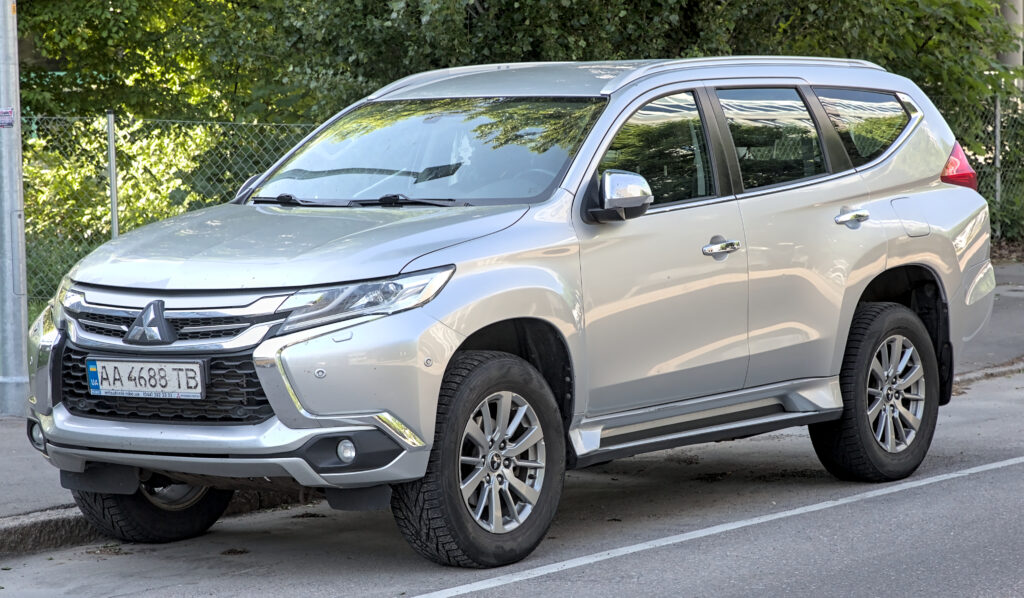
The Mitsubishi Pajero Sport is another SUV-style option worth researching for buyers who want towing capability without moving into a double-cab ute.
It can provide family passenger accommodation, enclosed luggage space and 4WD capability in a package aimed at buyers who use their vehicle for both normal road driving and recreational activities.
When comparing a Pajero Sport with a ute, ask whether you need a tray or whether enclosed cargo space and passenger comfort are more valuable.
For towing, check the exact vehicle's manufacturer limits, towbar specification and intended trailer weight.
Used examples may provide a lower entry price than some new high-capacity SUVs, which can materially reduce the amount you need to finance.
Popular towing vehicles to compare
| Vehicle | Type | Why it may suit towing buyers |
|---|---|---|
| Ford Ranger | Ute | Strong all-round towing, work and recreational versatility. |
| Toyota Hilux | Ute | Work-focused platform with substantial towing capability in applicable variants. |
| Mitsubishi Triton | Ute | Can provide strong towing capability at a different purchase-price point. |
| Nissan Navara | Ute | Combines dual-cab practicality with substantial towing capability. |
| Isuzu D-Max | Ute | Towing and payload-focused option for work and recreational use. |
| Ford Everest | 7-seat SUV | Useful for families who need substantial towing plus enclosed passenger space. |
| Toyota Land Cruiser 300 | Large 4WD SUV | High-capability choice for heavy towing and demanding conditions. |
| Mitsubishi Pajero Sport | 4WD SUV | Family-oriented alternative to a ute for recreational towing. |
Ute vs SUV for towing: which is better?
Neither a ute nor an SUV is automatically the best towing vehicle.
A ute provides a separate tray or wellside, which can be valuable when carrying work equipment, dirty gear, bikes or other items you do not want inside the passenger cabin.
A large SUV can provide enclosed luggage space and, in some cases, seven-seat passenger capacity.
Families towing caravans may value an SUV's enclosed cabin and seating flexibility, while tradespeople or boat owners may prefer the versatility of a ute.
The better choice comes down to what else the tow vehicle needs to do when the trailer is not attached.
If you're deciding between the two, compare our ute finance NZ guide, family SUV finance NZ guide and 4WD finance NZ guide.
Ute or SUV?
Choose a ute if...
You value a separate cargo area, work practicality and strong towing capability.
Choose an SUV if...
Passenger comfort, enclosed luggage space or seven-seat flexibility matter more.
Choose a 4WD if...
You tow in demanding rural, launching or off-road environments where additional drivetrain capability is genuinely useful.
Choose by actual load
The trailer and vehicle weights should determine the required capability rather than body style alone.
Best vehicle for towing a caravan in NZ
Caravan towing is one area where it is particularly important to look beyond the maximum trailer rating.
A caravan can place meaningful load on the tow vehicle through its tow-ball download while passengers, luggage, accessories and camping equipment also add vehicle weight.
Large families can therefore use a significant amount of available payload before the caravan is even connected.
For bigger caravans, vehicles such as capable utes, the Ford Everest and larger 4WD SUVs can be worth comparing.
The exact choice should be based on the caravan's loaded weight and the vehicle manufacturer's relevant limits.
Do not assume that a vehicle rated to tow your caravan's weight automatically provides unlimited capacity for passengers and luggage as well.
Best vehicle for towing a boat in NZ
Boat towing presents slightly different requirements because the vehicle may regularly be used on boat ramps, wet surfaces and potentially unsealed access roads.
A 4WD or appropriately capable drivetrain can be particularly useful where additional traction is required.
Again, calculate the loaded boat-and-trailer weight rather than looking only at the boat itself.
Fuel, fishing equipment, batteries, outboards and other gear can materially increase the trailer's real towing weight.
A ute can provide useful additional storage for wet or dirty equipment, while a 4WD SUV may provide a more passenger-focused alternative.
Our 4WD finance NZ guide covers drivetrain and off-road considerations in more detail.
Why maximum towing capacity is not the whole story
Maximum towing capacity is useful, but it is only one figure in the towing equation.
Payload, gross vehicle mass, gross combination mass, axle limits, towbar limits and maximum tow-ball download can all become relevant.
A tow vehicle loaded with passengers, luggage and accessories may not have the same practical towing margin as the same vehicle travelling with only the driver.
Likewise, adding bull bars, roof racks, canopies, drawers, auxiliary batteries or other accessories can reduce the payload remaining for people and trailer download.
This is why serious towing buyers should calculate the complete combination rather than simply asking whether the vehicle has a 3,500kg sticker in the brochure.
Payload can matter just as much as towing capacity
Payload is the amount of weight the vehicle can carry within its applicable limits.
Passengers, luggage, tools, camping equipment and accessories all contribute to vehicle load.
Tow-ball download also adds load to the tow vehicle.
For a family towing a caravan, this can make payload one of the most important figures in the entire setup.
A ute with strong towing capability can still become heavily loaded once a canopy, drawers, passengers, gear and the trailer are added.
Always check the exact vehicle's specifications and calculate the weights relevant to your own setup.
What is tow-ball download?
Tow-ball download is the downward load the connected trailer places on the tow vehicle's towbar.
It should not be ignored simply because the trailer itself is within the vehicle's maximum towing rating.
Tow-ball load contributes to the vehicle's overall loading and can affect available payload.
The maximum permitted download can also depend on the vehicle and towing equipment.
For heavier caravans and boats, this becomes an especially important part of determining whether the full setup is appropriate.
Use the manufacturer's requirements for the exact vehicle and towing equipment rather than applying a generic number to every combination.
What is gross combination mass?
Gross combination mass, commonly shortened to GCM, is another figure that can matter when a tow vehicle and trailer are both heavily loaded.
A vehicle's maximum towing capacity and maximum payload should not automatically be assumed to be simultaneously available.
Depending on the vehicle, reaching a high trailer weight may require reducing the amount carried in the tow vehicle so the total combination remains within applicable limits.
This is particularly relevant to caravan touring where the tow vehicle can also contain several passengers, luggage, accessories and camping equipment.
Check the manufacturer's exact specifications for the particular vehicle rather than relying on generic model claims.
Diesel vs petrol vs hybrid for towing
Powertrain is another part of choosing a tow vehicle.
Diesel engines remain common among heavier utes and 4WDs, particularly where towing and long-distance use are major requirements.
Petrol vehicles can also be capable tow vehicles depending on the particular model.
Hybrid and plug-in-hybrid towing options are becoming more common, but their towing specifications and ownership costs should be checked for the exact vehicle.
Do not choose solely according to fuel type. Compare towing capability, vehicle price, fuel or energy use, servicing, RUC where applicable and how you actually use the vehicle.
If you're comparing electrified options more broadly, see our hybrid car finance NZ guide and EV finance NZ guide.
2WD vs 4WD for towing
You do not automatically need 4WD simply because you tow.
For road-based towing on sealed surfaces, a suitable 2WD vehicle may provide all the capability required.
4WD can become more valuable when towing on farms, gravel roads, wet boat ramps, campsites or other surfaces where additional traction is useful.
A 4WD version of the same vehicle can also cost more to buy, increasing the amount financed.
Choose the drivetrain based on where the trailer will actually be used rather than assuming 4WD is mandatory for every towing buyer.
Our 4WD finance NZ guide covers this decision in much greater detail.
New vs used towing vehicle
A new towing vehicle can provide the latest equipment, low kilometres and clearer ownership history but can require considerably more finance.
A used ute or SUV can reduce the purchase price while making previous use and condition more important.
Heavy towing can place additional demands on a vehicle, so service history becomes particularly relevant when buying used.
Check the transmission, cooling system, brakes, suspension, tyres, drivetrain and general condition as appropriate for the vehicle.
Consider an independent pre-purchase inspection rather than assuming finance approval means the tow vehicle itself has been inspected.
Our used car finance NZ guide explains used-vehicle finance in more detail.
Used tow vehicle checklist
Service history
Regular maintenance can be especially important on vehicles that have spent significant time towing.
Transmission
Consider how the vehicle has been used and whether there are signs of drivetrain issues.
Cooling system
Towing places additional load on the vehicle, making cooling-system condition important.
Brakes
Check condition and maintenance rather than assuming they are suitable because the vehicle has a towbar.
Suspension
Heavy loads and repeated towing can place additional demands on suspension components.
Towbar and wiring
Check the towing equipment and electrical connections fitted to the actual vehicle.
A towbar does not prove a vehicle has been treated gently
A used vehicle fitted with a towbar may have spent years towing or may barely have towed anything at all.
The towbar itself therefore tells you very little about how hard the vehicle has worked.
Look at the overall condition and service history and ask the seller how the vehicle has been used.
On utes and 4WDs, also inspect for signs of off-road work, heavy loads or significant accessory fitment.
A cheaper used tow vehicle can still represent poor value if major mechanical maintenance is required soon after purchase.
How much does a good towing vehicle cost?
Towing vehicles cover a very wide purchase-price range.
An older used ute may require relatively modest finance, while a new high-specification ute or large 4WD SUV can cost substantially more.
The amount you actually need to finance depends on the purchase price after your deposit or positive trade-in equity is considered.
That is why comparing repayments is useful before becoming attached to one particular model.
Moving from a $40,000 tow vehicle to a $70,000 vehicle can materially increase your monthly financial commitment even if both are capable of performing the job.
Example tow vehicle repayments at 8.45% p.a. over 5 years
| Amount financed | Approx. monthly repayment |
|---|---|
| $20,000 | $410 |
| $30,000 | $615 |
| $40,000 | $820 |
| $50,000 | $1,025 |
| $60,000 | $1,230 |
| $70,000 | $1,434 |
| $80,000 | $1,639 |
What those towing vehicle repayments show
The examples above show why towing requirements should be separated from vehicle wish lists.
If a $40,000 used tow vehicle safely and appropriately meets your needs, financing an $80,000 vehicle creates a substantially larger monthly commitment.
That extra borrowing may make sense where the more expensive vehicle provides capability you genuinely require.
But if the additional capability is rarely used, the extra repayment can simply become a recurring household expense.
The examples use an indicative rate of 8.45% p.a. over five years and exclude applicable fees.
Your actual rate and repayment may be lower or higher depending on the lender and your application.
Our car loan repayments NZ guide explains vehicle-loan repayments in more detail.
Compare towing vehicle repayments
Compare towing vehicle repayments
Enter the amount you would need to finance for each tow vehicle and compare estimated repayments using the same rate and term.
Compare Tow Vehicle Repayments →The real cost of owning a tow vehicle
The loan repayment is only one part of owning a higher-capacity towing vehicle.
Fuel, Road User Charges where applicable, insurance, tyres, servicing, registration and repairs should also be included in your budget.
Regular towing can also increase wear on some components compared with lighter everyday use.
Larger utes and 4WD SUVs can use larger and more expensive tyres than smaller vehicles.
If you tow significant distances, fuel and RUC can become particularly meaningful annual expenses.
The right tow vehicle should therefore fit your complete ownership budget rather than just your approved loan amount.
Towing vehicle costs to budget for
Finance repayment
The regular repayment under the vehicle-finance agreement.
Fuel
Towing can materially increase fuel use compared with unladen driving.
Road User Charges
Include applicable RUC for vehicles that fall within the RUC system.
Tyres
Large ute and 4WD tyres can be a significant replacement expense.
Servicing
Regular maintenance is particularly important for vehicles that frequently tow.
Insurance
Check cover for the tow vehicle and any requirements relevant to your trailer.
How much deposit should you put on a tow vehicle?
There is no universal deposit required simply because a vehicle will be used for towing.
A larger deposit reduces the amount you need to finance and therefore generally reduces the resulting repayment when the other loan terms remain the same.
For a higher-priced ute or SUV, even a modest percentage deposit can represent a meaningful reduction in the loan balance.
However, towing vehicles can also create significant ongoing expenses, so using every dollar of savings as a deposit may leave too little room for maintenance, tyres or other unexpected costs.
Our car loan deposit NZ guide explains deposit decisions in more detail.
Can you finance a towing vehicle with no deposit?
Potentially, depending on the applicant, vehicle, lender and transaction.
No-deposit finance generally means more of the purchase price is being borrowed.
For a higher-value towing vehicle, financing the full eligible purchase price can result in a substantial loan balance.
Compare the resulting repayment with the benefit of keeping your cash available before deciding which structure suits your circumstances.
Our no deposit car finance NZ guide covers no-deposit vehicle finance in more detail.
What loan term should you choose for a tow vehicle?
The appropriate term depends on your budget, vehicle and available finance.
A shorter term generally produces larger regular repayments but can reduce total interest when other factors remain unchanged.
A longer term generally lowers the regular repayment while potentially increasing total interest.
When financing an older used tow vehicle, also consider how old and heavily used the vehicle may be by the time the loan finishes.
Our car loan terms NZ guide explains this trade-off in more detail.
What interest rate could you get on a towing vehicle?
There is no special interest rate that applies simply because the vehicle is being purchased for towing.
AutoLoan uses 8.45% p.a. as an indicative default calculator rate to help buyers compare different vehicle scenarios.
The actual rate available to you is determined by the relevant lender following assessment and may be lower or higher.
Credit information, income, expenses, existing debts, requested loan amount and the vehicle can all potentially affect the finance available.
AutoLoan partners with Simplify Finance, which handles vehicle-finance applications.
Our car loan interest rates NZ guide explains vehicle-loan rates in more detail.
Should you get pre-approved before shopping for a tow vehicle?
An initial or conditional finance assessment can help establish a realistic vehicle budget before you start comparing towing vehicles.
That can be particularly useful because the price difference between a used ute and a new high-specification 4WD SUV can be very large.
Knowing your indicative budget can stop the vehicle search expanding simply because more expensive models offer additional capability.
Pre-approval should not be treated as unconditional final approval because the particular vehicle may still need to satisfy lender requirements.
Our car finance pre-approval NZ guide explains the process in more detail.
Dealer finance vs arranging finance separately for a tow vehicle
A towing vehicle purchased from a dealership may be offered with finance as part of the transaction.
You can also explore vehicle finance separately.
Whichever route you consider, compare the actual interest rate, applicable fees, repayment, loan term and total amount repayable.
Do not allow towing accessories or optional equipment to obscure how much you are actually borrowing.
Our car finance broker vs dealer finance NZ guide explains the differences between these approaches.
How to choose and finance a towing vehicle
Work out the loaded trailer weight
Start with what the caravan, boat or trailer will realistically weigh in use.
Check exact vehicle limits
Review towing, payload, tow-ball and combination limits for the exact variant.
Choose ute or SUV
Decide whether a tray or enclosed passenger and cargo space better suits your normal use.
Set your vehicle budget
Choose a purchase-price range that fits comfortably within your wider finances.
Compare repayments
Calculate the finance cost of several suitable vehicles using the same rate and term.
Include running costs
Budget for fuel, RUC where applicable, tyres, servicing and insurance.
Inspect used vehicles
Consider previous towing use, service history and an appropriate pre-purchase inspection.
Get your loan matched
Explore vehicle-finance options through AutoLoan's partner Simplify.
Found the right vehicle for your caravan or boat?
Found the right vehicle for your caravan or boat?
AutoLoan partners with Simplify Finance to help Kiwis explore vehicle-finance options from its panel of 10+ lenders, subject to lender criteria and approval.
Get My Tow Vehicle Loan Match →Best cars for towing NZ: key things to remember
Choose a tow vehicle around the trailer you actually need to tow rather than automatically buying the vehicle with the largest headline capacity.
Popular vehicles worth comparing include the Ford Ranger, Toyota Hilux, Mitsubishi Triton, Nissan Navara, Isuzu D-Max, Ford Everest, Toyota Land Cruiser 300 and Mitsubishi Pajero Sport.
Maximum towing capacity is only one part of the calculation. Payload, tow-ball load, GVM, GCM and the actual loaded trailer weight can all matter.
A ute can provide cargo and work practicality, while a large SUV can provide enclosed luggage and additional passenger space.
4WD may be valuable for boat ramps, farms and demanding surfaces but is not automatically required for every trailer.
Used tow vehicles deserve careful inspection because previous heavy towing and work can affect condition.
Your finance repayment should be considered alongside fuel, RUC where applicable, tyres, servicing, insurance and other ownership costs.
AutoLoan uses 8.45% p.a. as an indicative calculator rate rather than a guaranteed lender rate.
AutoLoan is not a lender. Vehicle-finance applications are handled by Simplify Finance and approval, actual rates, amounts and terms are determined by the relevant lender.
For related guides, continue with our Ford Ranger finance NZ, Toyota Hilux finance NZ, Mitsubishi Triton finance NZ, Nissan Navara finance NZ, ute finance NZ, 4WD finance NZ and 7-seater finance NZ guides.
Frequently Asked Questions
What are the best cars for towing in NZ?
Popular vehicles worth comparing include the Ford Ranger, Toyota Hilux, Mitsubishi Triton, Nissan Navara, Isuzu D-Max, Ford Everest, Toyota Land Cruiser 300 and Mitsubishi Pajero Sport. The best choice depends on the trailer, vehicle loading and exact model specifications.
What is the best ute for towing in NZ?
There is no single best ute for every towing requirement. Ranger, Hilux, Triton, Navara and D-Max are all worth comparing. Check the exact variant's towing, payload, tow-ball and combination limits.
What is the best SUV for towing in NZ?
Larger SUVs such as the Ford Everest, Toyota Land Cruiser 300 and Mitsubishi Pajero Sport can be worth researching where substantial towing and passenger practicality are both required.
What is the best vehicle for towing a caravan?
The appropriate vehicle depends on the caravan's actual loaded weight, tow-ball load and the weight carried in the tow vehicle. Larger caravans can require high-capacity utes or 4WD SUVs.
What is the best vehicle for towing a boat?
A capable ute or 4WD SUV can be useful for boat towing, particularly where wet ramps or unsealed access require additional traction. Match the vehicle to the loaded boat-and-trailer weight.
Do I need a 3,500kg towing capacity?
Not necessarily. Choose towing capacity according to the actual loaded trailer you intend to tow with an appropriate margin rather than automatically paying for the highest available capacity.
Does a 3,500kg tow rating mean I can tow 3,500kg with a fully loaded vehicle?
Not necessarily. Payload, gross vehicle mass, gross combination mass, axle limits, tow-ball load and accessories can affect the usable combination. Check the exact manufacturer's specifications.
What is payload when towing?
Payload is the amount of weight the tow vehicle can carry within its applicable limits. Passengers, luggage, accessories and tow-ball download can all contribute to payload.
What is tow-ball download?
Tow-ball download is the downward load the trailer places on the towing vehicle through the towbar connection. It can contribute to vehicle load and needs to remain within the relevant limits.
What is GCM when towing?
GCM means gross combination mass. It relates to the maximum permitted combination of the tow vehicle and trailer under the manufacturer's specifications.
Is a ute better than an SUV for towing?
Not automatically. A ute can provide work and cargo practicality, while an SUV can provide enclosed luggage space and additional passenger seating. Choose according to your towing and everyday requirements.
Do I need 4WD for towing?
Not necessarily. A suitable 2WD vehicle can tow on normal sealed roads. 4WD can be useful where additional traction is required, such as some boat ramps, farms and unsealed areas.
Is diesel better for towing?
Diesel vehicles are common among higher-capacity towing utes and SUVs, but the best choice depends on the exact vehicle, towing requirements, purchase price and total ownership costs.
Can a hybrid tow a caravan?
Some hybrid vehicles have towing capability, but ratings vary by model and variant. Check the exact manufacturer's specifications before choosing a hybrid for towing.
Can an EV tow a trailer?
Some electric vehicles are rated to tow, but capability varies substantially. Check the exact vehicle's towing specification and consider how towing may affect energy use and driving range.
Can I finance a Ford Ranger for towing?
Potentially. Ford Ranger finance remains subject to the applicant, vehicle and lender criteria. AutoLoan also has a dedicated Ford Ranger finance guide.
Can I finance a Toyota Hilux for towing?
Potentially. Toyota Hilux finance remains subject to lender assessment and criteria. AutoLoan also has a dedicated Toyota Hilux finance guide.
Can I finance a Mitsubishi Triton?
Potentially. Triton finance depends on the applicant, vehicle and relevant lender criteria.
Can I finance a Nissan Navara?
Potentially. Navara finance remains subject to lender criteria and approval. AutoLoan also has a dedicated Nissan Navara finance guide.
Can I finance an Isuzu D-Max?
Potentially. D-Max vehicle finance depends on the applicant, vehicle and lender criteria.
Can I finance a used towing vehicle?
Potentially. Used utes and SUVs can be financed subject to lender vehicle requirements and the applicant's circumstances.
What should I check on a used tow vehicle?
Consider service history, transmission and drivetrain condition, brakes, suspension, cooling system, tyres, towbar and evidence of previous heavy towing or demanding work.
Does finance approval mean a tow vehicle is mechanically sound?
No. Finance approval is not a mechanical inspection or endorsement of the vehicle.
How much deposit do I need on a towing vehicle?
There is no universal deposit. Requirements depend on the applicant, vehicle, transaction and lender. A deposit can reduce the amount financed.
Can I finance a towing vehicle with no deposit?
Potentially, depending on the applicant, vehicle and lender criteria. Financing more of the purchase price creates a larger starting loan balance.
How much would a $50,000 tow vehicle loan cost?
At an illustrative 8.45% p.a. over five years, $50,000 is approximately $1,025 per month before applicable fees. This is an indicative example rather than a finance quote.
How much would a $70,000 tow vehicle loan cost?
At an illustrative 8.45% p.a. over five years, $70,000 is approximately $1,434 per month before applicable fees. Actual repayments depend on the rate, term and applicable costs.
What interest rate will I get on a towing vehicle loan?
Your actual rate depends on the lender and your application. AutoLoan uses 8.45% p.a. as an indicative default calculator rate only.
Should I get finance pre-approved before buying a tow vehicle?
An initial or conditional assessment can help establish a possible vehicle budget before shopping, but it should not be treated as unconditional final approval.
Can Simplify compare towing vehicle finance options?
AutoLoan partners with Simplify Finance, which handles applications and can assess available vehicle-finance options from its lender panel, subject to lender criteria and approval.
Does AutoLoan provide towing vehicle loans?
No. AutoLoan.nz is not a lender. Vehicle-finance applications through AutoLoan are handled by Simplify Finance and the relevant lender determines approval, rates, amounts and terms.
This article provides general information only and does not constitute financial, mechanical, towing, engineering or legal advice, finance pre-approval, or an offer or guarantee of credit. Towing capacities, payloads, gross vehicle mass, gross combination mass, tow-ball limits, specifications and equipment vary between makes, models, variants and model years and may change. Buyers must confirm the exact manufacturer's specifications and towing-equipment limits for the particular vehicle and trailer combination they intend to use. Vehicle loading, passengers, luggage, accessories and tow-ball download can affect available payload and towing capability. Finance examples are illustrative only and use an indicative rate of 8.45% p.a. unless stated otherwise. They exclude applicable fees and other costs. Your actual interest rate, repayments, loan amount, fees, terms and eligibility are determined by the relevant lender following assessment and may differ. AutoLoan.nz is not a lender and does not make lending decisions. Finance applications through AutoLoan are handled by our finance partner Simplify Finance and remain subject to lender assessment, criteria and approval.