

Family SUV finance NZ: the quick answer
New and used family SUVs can potentially be financed subject to the applicant, vehicle and relevant lender criteria.
The amount you need to borrow depends on the SUV purchase price, your deposit, available trade-in equity and applicable finance costs.
Before choosing a vehicle, decide how much space and capability your household actually needs and compare the resulting repayments across several purchase-price ranges.
AutoLoan uses 8.45% p.a. as an indicative default calculator rate. This is an estimate only rather than a guaranteed lender rate.
AutoLoan partners with Simplify Finance, which can assess your application and compare available vehicle-finance options from its lender panel.
What affects family SUV finance?
SUV purchase price
Moving from a compact SUV into a larger or higher-specification vehicle can significantly increase the amount financed.
Deposit
Money contributed upfront can reduce your starting loan balance.
Trade-in equity
Positive equity in your existing vehicle may contribute towards the replacement SUV.
Interest rate
Your actual lender rate affects both regular repayments and total borrowing cost.
Loan term
Longer and shorter terms change both the repayment and total interest.
Household finances
Income, expenses, existing debts and other financial commitments can form part of lender assessment.
How much does a family SUV cost in New Zealand?
There is no single family SUV price because the category extends from compact crossovers through to medium and large SUVs with substantially different equipment and capabilities.
Age, kilometres, drivetrain, powertrain, specification, brand and condition can all change the purchase price.
A used compact SUV may require relatively modest finance, while a newer hybrid, AWD or large SUV can require considerably more borrowing.
Instead of looking only at the advertised vehicle price, calculate the amount you actually need to finance after accounting for your deposit or trade-in.
That makes it much easier to compare vehicles according to the repayment they would create for your household.
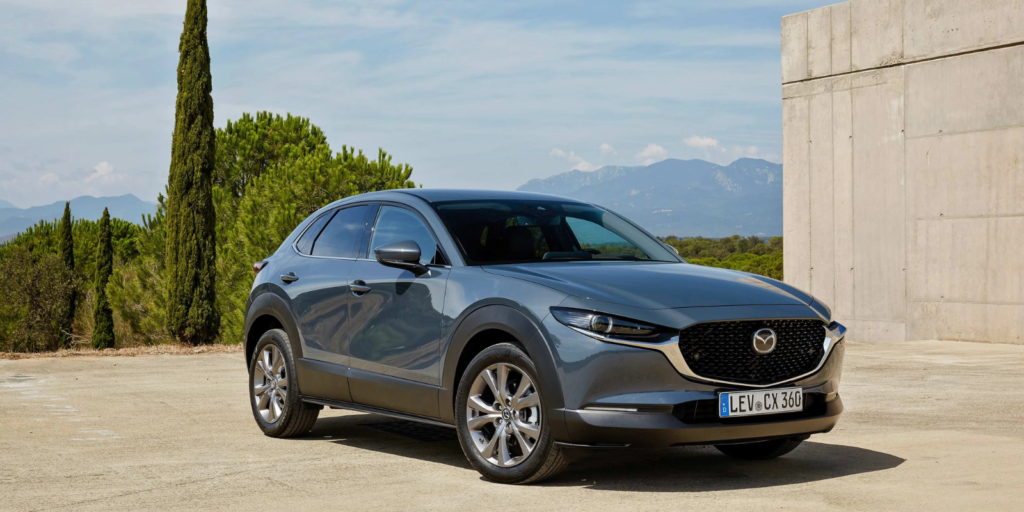
If you already have particular SUVs in mind, compare our Toyota RAV4 finance guide, Hyundai Kona finance guide, Mazda CX-30 finance guide and Nissan X-Trail finance guide for model-specific borrowing and repayment considerations.
How much family SUV could fit your budget?
How much family SUV could fit your budget?
Estimate your indicative borrowing power before deciding whether you should be shopping for a $25,000 used SUV or a $50,000+ newer family vehicle.
See My SUV Borrowing Power →What size SUV might suit your family?
| If you need... | Consider... | Finance consideration |
|---|---|---|
| City driving and a little more space than a hatchback | Compact SUV | Can potentially keep the purchase price and amount borrowed lower. |
| Everyday family use and more cargo room | Medium SUV | Often provides a balance between space and purchase price. |
| Maximum passenger and luggage capacity | Large SUV | Additional size can mean a significantly larger finance commitment. |
| Mostly sealed-road driving | FWD SUV | You may avoid paying extra for AWD capability you rarely use. |
| Additional traction or specific driving needs | AWD SUV | Compare the extra purchase price with how much you will genuinely use the capability. |
| Lower petrol consumption | Hybrid SUV | Compare the purchase-price premium with your expected fuel use and finance cost. |
How much SUV can your household actually afford?
The most expensive SUV you may potentially qualify to finance is not necessarily the vehicle that best fits your household budget.
A better starting point is to work backwards from your income and regular expenses.
Account for housing, groceries, utilities, childcare, insurance, existing debts and other commitments before deciding what vehicle repayment feels comfortable.
Then add the costs of actually running the SUV, including fuel, insurance, servicing, tyres and repairs.
Once you know what complete vehicle cost works for your household, you can compare several purchase prices instead of choosing the SUV first and trying to make the finance fit afterwards.
Our how much can I borrow for a car loan guide explains borrowing capacity in more detail.
See what your family SUV repayments could be
See what your family SUV repayments could be
Enter the amount you expect to finance and compare indicative SUV repayments using 8.45% p.a. as the default calculator rate.
Calculate SUV Repayments →How much are family SUV loan repayments?
SUV repayments depend on the amount financed, actual interest rate, loan term, repayment frequency and applicable finance costs.
Someone financing $25,000 for a used compact SUV will have a very different repayment from a household borrowing $50,000 or $60,000 for a newer medium or large SUV.
A deposit or positive trade-in equity can reduce the amount borrowed.
AutoLoan uses 8.45% p.a. as an indicative default calculator rate so you can compare vehicle scenarios consistently.
Your actual lender rate may be lower or higher and is determined following assessment.
Our car loan repayments guide explains repayments in more detail.
Example family SUV finance amounts
| SUV price | Deposit or trade-in | Approx. amount financed |
|---|---|---|
| $25,000 | $5,000 | $20,000 |
| $30,000 | $5,000 | $25,000 |
| $40,000 | $8,000 | $32,000 |
| $50,000 | $10,000 | $40,000 |
| $60,000 | $12,000 | $48,000 |
| $70,000 | $15,000 | $55,000 |
Example SUV repayments at 8.45% p.a. over 5 years
| Amount financed | Approx. weekly | Approx. fortnightly | Approx. monthly |
|---|---|---|---|
| $20,000 | $95 | $189 | $410 |
| $30,000 | $142 | $284 | $615 |
| $40,000 | $189 | $378 | $820 |
| $50,000 | $237 | $473 | $1,025 |
| $60,000 | $284 | $568 | $1,230 |
Why SUV size can make such a big difference to your loan
Moving up one SUV size category can mean more than simply gaining a larger boot.
Medium and large SUVs can carry larger engines or hybrid systems, more equipment, bigger wheels and different drivetrain options, all of which can affect purchase price.
If the difference between two suitable SUVs is $10,000, financing that additional $10,000 affects both your regular repayment and total interest.
This is why vehicle size should be chosen according to what your family genuinely needs rather than the largest SUV you may be able to finance.
A smaller SUV that comfortably handles your normal passenger and cargo requirements can leave significantly more room in the household budget.
Compact vs medium vs large SUV finance
SUV size is one of the most useful ways to narrow the market before you start comparing individual models.
Compact SUVs can work well for couples and smaller families wanting easy urban driving and useful cargo space without the size of a traditional family SUV.
Medium SUVs can provide more passenger and luggage space and often suit households wanting one vehicle for commuting, school runs and longer trips.
Large SUVs can provide substantially greater space or capability but can also increase the purchase price, fuel costs and other ownership expenses.
Compare what each size category adds to your life as well as what it adds to your loan.
Once you know which size suits your household, the model-specific Toyota RAV4 finance, Hyundai Kona finance, Mazda CX-30 finance and Nissan X-Trail finance guides can help you compare actual finance scenarios within the SUV market.
Compact vs medium vs large SUV: the financial trade-off
| Consideration | Compact SUV | Medium SUV | Large SUV |
|---|---|---|---|
| Purchase price | Can be lower | Mid-range | Can be substantially higher |
| Passenger space | Suitable for smaller households | More family room | Maximum family space |
| Cargo capacity | Useful but more limited | Strong everyday practicality | Potentially substantial |
| Fuel costs | Potentially lower | Varies by powertrain | Can be higher |
| Tyre costs | Potentially lower | Can increase with wheel size | Larger tyres can cost more |
| Amount financed | Potentially smaller | Moderate to larger | Potentially largest |
Do you actually need a large SUV?
A larger SUV can provide useful passenger and cargo space, but it also tends to create a larger financial commitment when its purchase price is higher.
Think about the vehicle configuration you use most of the time rather than the rare occasion when you might carry unusually large loads.
A family of four may find a medium SUV provides all the space it normally needs.
Another household carrying sports equipment, pets, prams or substantial luggage may genuinely benefit from additional capacity.
Calculate the repayment difference between the actual vehicles before deciding whether the extra size is worth paying for every week or month.
FWD vs AWD SUV finance
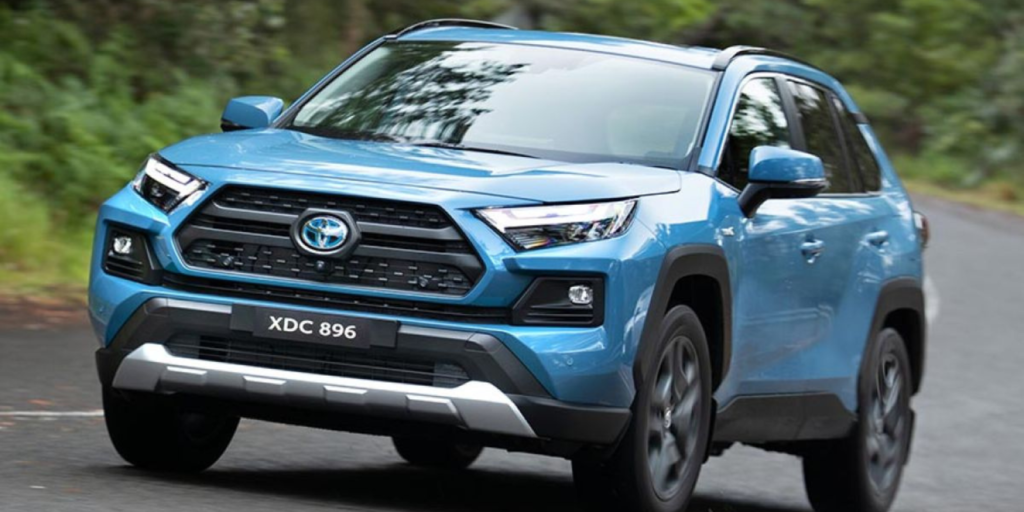
Front-wheel drive and all-wheel drive can create another meaningful price difference between otherwise similar SUVs.
FWD can be entirely suitable for many families whose driving is predominantly on sealed roads.
AWD can provide additional traction and capability for buyers whose driving conditions make it useful.
However, choosing AWD simply because it is available can mean paying more upfront and potentially borrowing more.
Compare the purchase-price and repayment difference and ask how often you will genuinely benefit from AWD.
Drivetrain choice itself does not determine whether finance will be approved.
If AWD or more serious off-road capability is a major reason for choosing the vehicle, our 4WD finance NZ guide goes deeper into AWD vs 4WD, towing, used-vehicle checks, diesel ownership costs and off-road considerations.
FWD vs AWD: should you finance the upgrade?
| Question | FWD | AWD |
|---|---|---|
| Mostly city and highway driving? | Often worth considering | May provide capability you rarely use |
| Regular slippery or unsealed conditions? | May still be suitable depending on vehicle and conditions | Additional traction may be useful |
| Purchase price | Can be lower | Can carry a price premium |
| Amount financed | Potentially lower | Potentially higher |
| Running costs | Depends on model | Can differ depending on vehicle and drivetrain |
Petrol vs hybrid family SUV finance
Hybrid SUVs have become another choice for households comparing family vehicles.
A hybrid can use less petrol than some comparable conventional SUVs, but the hybrid model can also carry a different purchase price.
If the hybrid is more expensive, financing that difference increases your loan unless you contribute more upfront.
Compare the additional purchase and finance cost with how much you drive and your expected fuel-use difference.
A high-mileage household can view fuel savings very differently from a family that only drives short local distances.
Our hybrid car finance guide goes deeper into financing hybrids.
If your shortlist also includes a fully electric SUV, our EV finance NZ guide covers EV repayments, battery health, charging, RUC and ownership-cost considerations.
Petrol vs hybrid SUV: what should you compare?
| Consideration | Petrol SUV | Hybrid SUV |
|---|---|---|
| Purchase price | May be lower | Can carry a premium |
| Amount financed | Potentially lower | Potentially higher |
| Petrol use | Depends on vehicle | Can be lower depending on model and driving |
| Driving distance | Purchase cost may matter more at low kilometres | Fuel-use differences can become more relevant at higher kilometres |
| Used vehicle checks | Normal mechanical condition | Include hybrid-system and battery considerations where appropriate |
Compare petrol and hybrid SUV repayments
Compare petrol and hybrid SUV repayments
Enter the amount you would need to finance for each SUV using the same indicative rate and loan term to see the real repayment difference.
Compare SUV Repayments →New vs used family SUV finance
Both new and used family SUVs can potentially be financed subject to the applicant, vehicle and lender criteria.
A newer SUV can provide lower kilometres, newer safety and convenience equipment and manufacturer support, but can require significantly more borrowing.
A used SUV can reduce the purchase price and loan amount, while age, kilometres, service history and general condition become increasingly important.
A cheaper purchase price should leave enough room in the household budget for appropriate maintenance and unexpected repairs.
Our used car finance guide explains used-vehicle finance in more detail.
For model-specific used-SUV comparisons, see our Toyota RAV4 finance, Hyundai Kona finance, Mazda CX-30 finance and Nissan X-Trail finance guides.
New vs used family SUV: what changes financially?
| Consideration | Newer SUV | Older used SUV |
|---|---|---|
| Purchase price | Usually higher | Can be substantially lower |
| Finance amount | Potentially larger | Potentially smaller |
| Kilometres | Generally lower | Can vary considerably |
| Maintenance | Potentially lower initially | Condition and history become more important |
| Equipment | Latest features available | Depends on age and specification |
| Repair reserve | Potentially smaller initially | Allow more room for unexpected costs |
Upgrading from a hatchback or sedan to an SUV
Many families move into an SUV because their existing hatchback or sedan no longer provides enough space or practicality.
That can create a sizeable jump in purchase price.
Before upgrading, work out the actual contribution available from your existing car.
If the vehicle is owned outright, its trade-in value may reduce the amount of new finance required.
If finance is still owing, compare the settlement amount with the vehicle value to determine whether you have positive or negative equity.
Then calculate the additional finance required for the SUV rather than comparing purchase prices alone.
Example upgrade to a family SUV
| SUV price | Trade-in contribution | Approx. finance required |
|---|---|---|
| $30,000 | $8,000 | $22,000 |
| $35,000 | $10,000 | $25,000 |
| $40,000 | $10,000 | $30,000 |
| $50,000 | $15,000 | $35,000 |
| $60,000 | $15,000 | $45,000 |
Boot space can be worth more than another specification upgrade
Family-vehicle practicality is not always about buying the highest trim level.
A larger or better-shaped cargo area may provide more real-world value to your household than premium wheels, cosmetic upgrades or entertainment features.
When comparing SUVs, test the things you regularly carry: prams, sports gear, groceries, luggage, pets or work equipment.
If a lower-specification SUV already provides the practicality you need, avoiding unnecessary upgrades can reduce the amount financed.
Choose features according to how your family actually uses the car rather than what looks most impressive in the showroom.
School-run SUV vs road-trip SUV
A family whose vehicle is mainly used for school runs, commuting and shopping can have different priorities from one that regularly travels long distances.
Urban users may place greater value on manageable dimensions, parking ease and lower running costs.
Families travelling longer distances may place greater value on comfort, cargo space, fuel use and range.
If the SUV will frequently carry the family on holidays, check luggage capacity with the passenger configuration you normally use.
The vehicle that best suits your actual driving can also prevent you borrowing unnecessarily for features you rarely use.
If a hybrid or electric powertrain is part of your road-trip comparison, our hybrid car finance NZ and EV finance NZ guides explain the additional finance and ownership-cost factors that apply.
Family SUV finance for towing
Some families need their SUV to tow a trailer, boat or caravan.
Towing capacity varies by model, engine, drivetrain and variant, so check the manufacturer's specification for the exact vehicle rather than relying on a general model claim.
If towing is only occasional and relatively light, you may not need to pay for the highest-capacity SUV available.
If substantial towing is genuinely required, purchasing a suitable vehicle can justify a larger budget.
Finance approval and towing suitability are separate considerations.
If towing and rough-road capability are major priorities, compare this article with our 4WD finance NZ guide before paying more for capability you may or may not need.
5-seat family SUV vs 7-seater finance
Some households considering a family SUV will also be deciding whether they need a third row.
A five-seat SUV may provide more than enough space for a smaller family while avoiding the purchase-price increase associated with some larger seven-seat vehicles.
A seven-seater can provide valuable flexibility when extra passengers are carried regularly.
The important question is how often seats six and seven will genuinely be used.
If seven seats are an important requirement, our 7-seater finance guide covers that decision in much greater detail.
What matters most in a family SUV?
Passenger space
Make sure rear passengers have enough room for how you actually use the vehicle.
Boot space
Test whether prams, groceries, luggage and sports equipment fit comfortably.
Vehicle size
Larger is useful only when your household genuinely needs the extra room.
Drivetrain
Avoid borrowing extra for AWD unless its capability is valuable for your driving.
Running costs
Fuel, insurance, tyres and servicing belong in the budget alongside the repayment.
Purchase price
Compare what each upgrade adds to the vehicle and to the amount financed.
Popular family SUVs to explore
The New Zealand market contains a wide range of compact and medium SUVs across petrol, hybrid, FWD and AWD configurations.
Rather than choosing purely according to brand or popularity, compare the actual vehicles that fit your family's space requirements and budget.
AutoLoan's model-specific finance guides let you go deeper once you have narrowed down your shortlist.
You can also compare broader vehicle-type decisions through our 7-seater finance NZ, hybrid car finance NZ, EV finance NZ and 4WD finance NZ guides.
Explore family SUV finance guides
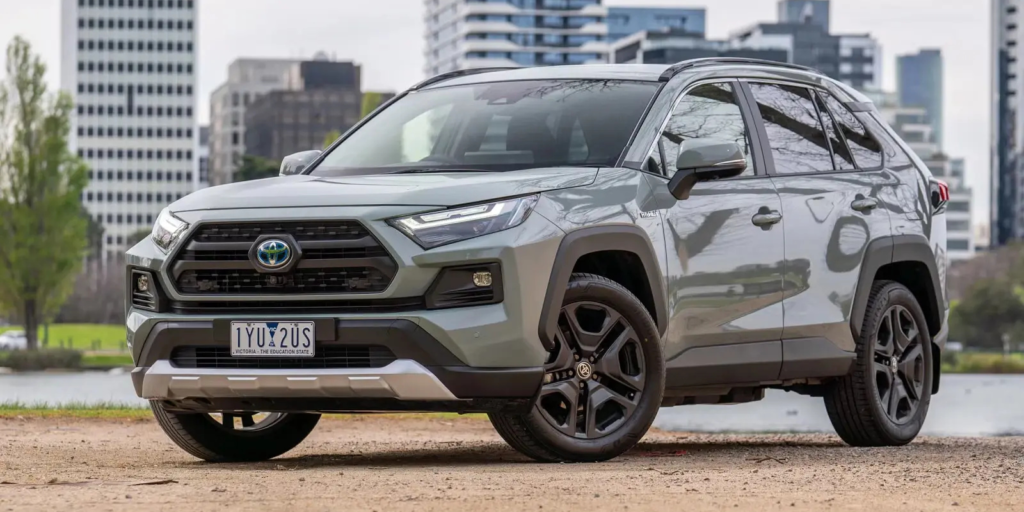
Toyota RAV4 Finance
Explore RAV4 repayments, borrowing power and new-versus-used finance considerations.
Hyundai Kona Finance
Explore finance considerations for petrol, Hybrid and used Hyundai Kona models.
Mazda CX-30 Finance
Learn about CX-30 finance, FWD vs AWD and estimated repayments.
Nissan X-Trail Finance
Explore X-Trail finance across petrol, e-POWER and family-oriented configurations.
RAV4 vs Kona vs CX-30 vs X-Trail: compare the loan, not just the SUV
Different SUV models can overlap in price even when they sit in slightly different parts of the market.
A high-specification compact SUV can potentially cost as much as a lower-specification medium SUV.
Used age and kilometres create even more variation.
Once you have narrowed your shortlist, subtract your expected deposit or trade-in from each vehicle's actual purchase price and calculate the repayment using the same rate and term.
That provides a much clearer financial comparison than comparing badges or advertised prices alone.
For deeper model-specific detail, open the Toyota RAV4 finance guide, Hyundai Kona finance guide, Mazda CX-30 finance guide or Nissan X-Trail finance guide.
Compare the SUVs on your shortlist
Compare the SUVs on your shortlist
Enter the actual amount you would need to finance for each SUV and compare repayments using the same indicative rate and term.
Compare SUV Repayments →How much deposit do you need for a family SUV?
There is no universal deposit that applies to every family SUV finance application.
Requirements depend on the applicant, lender, vehicle and transaction.
Contributing a deposit can reduce the amount financed and therefore reduce the resulting repayment.
For example, contributing $10,000 towards a $50,000 SUV reduces the starting finance requirement to approximately $40,000 before applicable costs.
Our car loan deposit guide explains deposits in more detail.
How a deposit changes a $50,000 SUV loan
| SUV price | Your contribution | Approx. amount financed |
|---|---|---|
| $50,000 | $0 | $50,000 |
| $50,000 | $5,000 | $45,000 |
| $50,000 | $10,000 | $40,000 |
| $50,000 | $15,000 | $35,000 |
| $50,000 | $20,000 | $30,000 |
Can you get family SUV finance with no deposit?
Potentially, depending on the applicant, vehicle, transaction and lender criteria.
Not every finance product has the same deposit requirements.
Financing the full eligible purchase amount creates a larger loan balance than contributing money upfront.
For a higher-priced family SUV, that can make a substantial difference to the repayment and total borrowing cost.
Our no deposit car finance guide explains no-deposit finance in more detail.
Can you trade your current car towards a family SUV?
Potentially. Your existing car may contribute towards the SUV purchase through positive trade-in equity.
If the existing vehicle is owned outright, its agreed trade-in value may form part of your contribution.
If finance remains owing, compare the settlement amount with the trade-in value to understand your actual equity.
Positive equity can reduce your new SUV loan, while negative equity creates a shortfall that needs to be addressed.
Calculate the complete transaction rather than looking only at the dealer's trade-in figure.
What loan term should you choose for a family SUV?
The appropriate loan term depends on your household budget and available finance.
A shorter term generally creates higher regular repayments but can reduce total interest when other factors remain equal.
A longer term generally lowers the regular repayment while potentially increasing total interest.
When financing an older used SUV, also consider the vehicle's age relative to how long you expect to continue making repayments.
Our car loan terms guide explains vehicle-finance terms in more detail.
What interest rate could you get on SUV finance?
AutoLoan uses 8.45% p.a. as an indicative default calculator rate so buyers can compare different SUV scenarios.
This does not mean 8.45% p.a. is guaranteed or the rate every applicant will receive.
Your actual rate is determined by the relevant lender based on its finance product and assessment of your application.
Factors can include credit information, income, expenses, existing debts, loan amount and other circumstances.
AutoLoan partners with Simplify Finance, which compares vehicle-finance options across its lender panel.
Our car loan interest rates guide explains rates in more detail.
Can you get family SUV finance with bad credit?
Potentially, although adverse credit can affect lender options, eligibility and finance pricing.
A lender can consider credit information alongside income, expenses, existing debts and the amount requested.
Choosing a cheaper used SUV or increasing your deposit can reduce the amount borrowed but does not guarantee approval.
Our bad credit car finance guide explains vehicle finance with imperfect credit in more detail.
Can self-employed buyers finance a family SUV?
Potentially. Self-employed applicants can apply for vehicle finance subject to lender assessment and criteria.
The information required to demonstrate income can differ from a standard wage or salary application.
Household expenses and existing commitments remain relevant regardless of employment type.
Our self-employed car loan guide explains self-employed vehicle finance in more detail.
Can you finance a family SUV with part-time or casual income?
Potentially. Part-time or casual employment does not automatically prevent someone from applying for SUV finance.
Where income varies, the lender may require enough information to understand what level of income is reasonably sustainable.
The proposed repayment still needs to fit alongside living expenses and existing commitments.
Our part-time and casual income car finance guide explains variable-income finance in more detail.
Can you finance a family SUV from a private seller?
Potentially, depending on the applicant, vehicle, transaction and relevant lender criteria.
Private-sale finance can involve additional information about the seller and vehicle before settlement.
Appropriate ownership, security and vehicle-history checks should also be completed.
Consider an independent pre-purchase inspection, particularly on an older or higher-kilometre SUV.
Our private sale car finance guide explains private-sale vehicle finance.
What should you check when buying a used family SUV?
Finance approval and vehicle condition are separate matters.
Check service history, kilometres, tyres, brakes, suspension and general condition.
Test the boot with the items your household normally carries and make sure the rear-seat space suits your family.
If AWD is important to you, understand the particular vehicle's drivetrain and condition.
Consider an appropriate pre-purchase inspection and vehicle-history check.
Do not assume finance approval means the SUV itself has been mechanically inspected or recommended.
Used family SUV checklist
Service history
Understand how consistently the SUV has been maintained.
Kilometres
Compare the odometer reading with the vehicle's age and condition.
Tyres
Larger SUV tyres can be a meaningful replacement expense.
Passenger space
Make sure the actual rear-seat layout works for your family.
Cargo capacity
Check your normal pram, luggage or sports-equipment requirements.
Vehicle inspection
Finance approval is not a substitute for appropriate vehicle checks.
The real cost of owning a family SUV
The vehicle loan is only one part of the household cost.
Fuel, insurance, servicing, registration, tyres and repairs should also be included in the budget.
Moving from a small car into a larger SUV can change several of these expenses at once.
AWD, larger engines, bigger wheels and higher specification can also affect ongoing costs depending on the vehicle.
A slightly cheaper repayment is not necessarily the cheapest ownership option if the vehicle has materially higher running or maintenance costs.
Powertrain and drivetrain can materially change the ownership-cost picture, so buyers comparing alternatives can also read our hybrid car finance NZ, EV finance NZ and 4WD finance NZ guides.
Family SUV costs to budget for
Loan repayment
The regular payment required under the finance agreement.
Fuel
Vehicle size, powertrain and driving pattern all influence fuel use.
Insurance
Get a quote for the exact SUV before finalising your household budget.
Servicing
Regular maintenance helps keep a family vehicle dependable.
Tyres
Large wheels and SUV-specific tyres can increase replacement cost.
Repairs
Maintain some financial room for unexpected costs, particularly with older used SUVs.
Should you finance a cheaper SUV and keep a bigger family cash buffer?
Putting every available dollar into a vehicle deposit is not automatically right for every household.
A larger deposit reduces the amount borrowed and can reduce repayments.
However, retaining an appropriate emergency reserve can also be important when you have household expenses that can change unexpectedly.
Compare several deposit scenarios and look at the difference in repayments before deciding how much cash to put into the vehicle.
The appropriate balance depends on your circumstances.
You can compare the effect of different contributions in our car loan deposit guide and then use the car loan repayments guide to see how the remaining amount financed changes your repayments.
Dealer SUV finance vs arranging finance separately
An SUV purchased through a dealership may be offered with finance as part of the vehicle transaction.
You can also explore vehicle finance separately.
Whichever route you consider, compare the actual interest rate, fees, repayment, loan term and total amount payable.
A convenient offer is not automatically the lowest-cost option.
Our broker vs dealer finance guide explains common ways of arranging vehicle finance.
What to compare on a family SUV loan
Amount financed
Work out the actual amount required after your deposit or trade-in.
Interest rate
Compare the actual rate offered by the lender.
Fees
Include applicable establishment and other finance charges.
Repayment
Make sure it fits comfortably alongside normal household expenses.
Loan term
Consider how long you will continue making SUV repayments.
Total payable
Compare the complete borrowing cost rather than choosing by repayment alone.
Should you get pre-approved before shopping for an SUV?
An initial or conditional finance assessment can potentially help establish a realistic SUV budget before you select a vehicle.
That can help prevent your shortlist expanding from an affordable compact SUV into a significantly more expensive large SUV simply because you start shopping before setting a budget.
Pre-approval should not automatically be treated as unconditional final approval.
Conditions can remain and the particular vehicle may still need to satisfy lender requirements.
Our car finance pre-approval guide explains pre-approval in more detail.
Work out your family SUV budget
Work out your family SUV budget
Estimate your indicative borrowing power and compare several SUV repayment scenarios before deciding how much you want your next family vehicle to cost.
See My SUV Budget →A smarter way to choose and finance a family SUV
Work out how much space you need
Choose according to your regular passenger and cargo needs rather than buying the largest SUV available.
Set your household budget
Decide what complete vehicle cost fits alongside your existing expenses.
Estimate borrowing power
Get an indicative idea of what borrowing range may fit your circumstances.
Choose SUV size
Compare compact, medium and large vehicles according to actual family needs.
Choose FWD or AWD
Avoid paying extra for capability you are unlikely to use.
Compare petrol and hybrid
Balance the purchase-price difference against expected fuel use.
Calculate repayments
Use the same indicative rate and term to compare several vehicles fairly.
Check the used vehicle
Consider history, condition and an appropriate pre-purchase inspection.
Get your SUV loan matched
Explore finance through AutoLoan's partner Simplify and its lender panel.
How does family SUV finance through AutoLoan work?
AutoLoan is not a lender and does not make lending decisions.
AutoLoan partners with Simplify Finance, which handles vehicle-finance applications.
Simplify compares vehicle-finance options and provides personalised loan matches based on the applicant's profile and available lender criteria.
Before applying, you can use AutoLoan's calculator with its indicative 8.45% p.a. default rate to compare SUV repayments and borrowing scenarios.
The 8.45% figure is an indicative calculator assumption rather than a guaranteed Simplify or lender rate.
Any approval, interest rate, loan amount and finance terms are ultimately determined by the relevant lender.
Get your family SUV loan matched
Get your family SUV loan matched
Found the SUV you want? Explore vehicle-finance options through AutoLoan's finance partner Simplify and get personalised loan matches based on your application.
Get My SUV Loan Match →Family SUV finance NZ: key things to remember
Family SUVs cover a very wide range of purchase prices, from used compact crossovers to large high-specification vehicles.
Choose SUV size according to the passenger and cargo capacity your household genuinely needs.
FWD can avoid the additional cost of AWD where extra traction is not important to your normal driving.
Hybrid SUVs can reduce petrol use in some circumstances, but compare any purchase-price premium with your expected driving.
Your repayment depends on the amount financed, actual interest rate, loan term and applicable finance costs.
AutoLoan uses 8.45% p.a. as an indicative default calculator rate rather than a guaranteed lender rate.
A deposit or positive trade-in equity can reduce the amount you need to borrow.
Used SUVs can reduce the purchase price, but condition, kilometres, service history and expected maintenance should also be considered.
Budget for fuel, insurance, servicing, tyres and repairs alongside the finance repayment.
AutoLoan is not a lender. Vehicle-finance applications are handled by Simplify Finance and approval, rates, loan amounts and terms are determined by the relevant lender.
If you are still deciding what type of SUV or family vehicle to finance, continue with our Toyota RAV4 finance, Hyundai Kona finance, Mazda CX-30 finance, Nissan X-Trail finance, 7-seater finance NZ, hybrid car finance NZ, EV finance NZ and 4WD finance NZ guides.
Frequently Asked Questions
Can I get finance for a family SUV in NZ?
Potentially. New and used SUVs can be financed subject to the applicant, vehicle, lender criteria and approval.
What interest rate does the AutoLoan SUV calculator use?
AutoLoan uses 8.45% p.a. as an indicative default calculator rate. It is not a guaranteed lender rate and your actual rate may be lower or higher following assessment.
Does Simplify guarantee an 8.45% SUV loan rate?
No. The 8.45% p.a. figure used by AutoLoan is an indicative calculator assumption. Simplify compares available lender options, while the actual rate is determined following assessment.
How much are family SUV repayments?
Repayments depend on the amount financed, actual interest rate, loan term, repayment frequency and applicable finance costs.
Can I calculate SUV repayments before applying?
Yes. AutoLoan's calculator lets you test different SUV loan amounts and terms before applying.
How much can I borrow for a family SUV?
There is no fixed SUV borrowing amount. Potential borrowing depends on your financial circumstances, requested finance and lender criteria.
Can I check my borrowing power before choosing an SUV?
Yes. AutoLoan's borrowing-power calculator can provide an indicative estimate before you decide what vehicle price range to consider.
Should I buy a compact, medium or large SUV?
Choose according to the passenger and cargo capacity you genuinely need. A larger SUV can cost more to purchase and run, so avoid paying for size your household rarely uses.
Is a compact SUV cheaper to finance?
It can be where its purchase price is lower. The actual finance cost depends on the amount borrowed, interest rate, loan term and applicable costs.
Should a family buy the biggest SUV it can afford?
Not necessarily. A smaller vehicle that comfortably meets your passenger and cargo needs can leave substantially more room in the household budget.
Should I finance a FWD or AWD SUV?
That depends on your driving requirements. If you primarily drive on sealed roads and do not need additional drivetrain capability, a lower-priced FWD model may reduce the amount you need to finance.
Is AWD more expensive to finance than FWD?
It can be if the AWD variant has a higher purchase price. Compare the actual vehicles and calculate how the price difference changes your repayments.
Can I finance a hybrid family SUV?
Potentially. Hybrid SUVs may be financed subject to the applicant, vehicle and lender criteria.
Should I borrow more for a hybrid SUV?
Compare the additional purchase and finance cost with how much you drive and your expected fuel-use difference. The answer depends on the actual vehicles and your circumstances.
Can I finance a new SUV?
Potentially. New SUV finance remains subject to the applicant, vehicle and lender assessment.
Can I finance a used SUV?
Potentially. Used SUV finance remains subject to the applicant, particular vehicle and lender criteria.
Is a used SUV cheaper to finance?
It can require less borrowing where its purchase price is lower, but age, kilometres, condition and expected maintenance should also be considered.
Should I upgrade from a hatchback to an SUV?
That depends on whether the SUV provides passenger, cargo or capability benefits you genuinely need. Compare the additional purchase price and resulting repayment before deciding.
Can I trade my current car towards an SUV?
Potentially. Positive trade-in equity may reduce the amount of new finance required. If finance remains owing, the settlement amount needs to be considered.
Can I upgrade to an SUV while still paying off my current car?
Potentially. Existing finance needs to be accounted for as part of the transaction, including whether your current vehicle has positive or negative equity.
How much deposit do I need for a family SUV?
There is no universal SUV deposit. Requirements vary between lenders, applicants and transactions. A deposit can reduce the amount financed.
Can I get SUV finance with no deposit?
Potentially, depending on the applicant, vehicle, lender and transaction. Financing more of the purchase price creates a larger starting loan balance.
What loan term should I choose for an SUV?
The appropriate term depends on your budget and available finance. Shorter terms generally create higher repayments but can reduce total interest, while longer terms can lower repayments but potentially increase total interest.
Can I get family SUV finance with bad credit?
Potentially. Adverse credit can affect lender options, eligibility and pricing. The result depends on the complete application and lender criteria.
Can self-employed buyers finance an SUV?
Potentially. Self-employed applicants may need to provide appropriate information so the lender can assess income and affordability.
Can I finance an SUV with part-time or casual income?
Potentially. Where income varies, a lender may require enough information to understand what income is reasonably sustainable.
Can I finance an SUV from a private seller?
Potentially. Private-sale finance can require additional information about the seller and vehicle and remains subject to lender criteria.
What should I check before buying a used family SUV?
Check service history, kilometres, overall condition, tyres, brakes, passenger space and cargo capacity. Consider appropriate vehicle-history checks and an independent pre-purchase inspection.
Does finance approval mean a used SUV is mechanically sound?
No. Finance approval is not a mechanical inspection or recommendation of the vehicle.
Should I check boot space before buying a family SUV?
Yes. Test whether the vehicle comfortably carries the prams, luggage, sports equipment, groceries or other items your household regularly transports.
Can I tow with a financed SUV?
Potentially, but finance approval and towing suitability are separate issues. Check the exact vehicle's manufacturer towing specifications for what you intend to tow.
Should I buy a 5-seat SUV or 7-seater?
Choose according to how often you genuinely need seats six and seven. AutoLoan's separate 7-seater finance guide covers that decision in more detail.
Is the cheapest SUV always the cheapest family vehicle?
No. Purchase price is only one part of the cost. Fuel, insurance, servicing, tyres, repairs and expected maintenance can materially change overall ownership cost.
Should I use all my savings as an SUV deposit?
Not necessarily. A larger deposit can reduce borrowing, while keeping an appropriate emergency cash reserve may also be important for a household. The right balance depends on your circumstances.
Should I get pre-approved before shopping for an SUV?
An initial or conditional assessment can help establish a possible budget before shopping, but it should not be treated as unconditional final approval.
Can I compare different SUVs using the AutoLoan calculator?
Yes. Enter the amount you would need to finance for each vehicle using the same indicative rate and term to compare estimated repayments.
Can Simplify compare SUV finance options for me?
AutoLoan partners with Simplify Finance, which compares vehicle-finance options and provides personalised loan matches based on your application and available lender criteria.
How do I get my family SUV loan matched?
You can begin through AutoLoan and continue to our finance partner Simplify. Simplify handles the finance application and assesses available lender options, subject to approval.
Does AutoLoan provide family SUV loans?
No. AutoLoan.nz is not a lender and does not make lending decisions. Vehicle-finance applications through AutoLoan are handled by Simplify Finance, with approval, rates, loan amounts and terms determined by the relevant lender.
This article provides general information only and does not constitute financial or legal advice, finance pre-approval, or an offer or guarantee of credit. SUV prices, dimensions, specifications, powertrains, drivetrains, seating configurations, cargo capacity, towing capability, fuel consumption, operating costs and availability vary by make, model, variant, age and condition. Any finance amounts and repayment examples shown are illustrative only and should not be treated as vehicle valuations, purchase quotes or finance offers. AutoLoan uses 8.45% p.a. as an indicative default calculator rate only. It is not a guaranteed Simplify or lender rate. Your actual interest rate is determined by the relevant lender following assessment and may be lower or higher. Repayment examples exclude applicable fees and other costs. Interest rates, fees, loan amounts, repayments, terms, deposit requirements, vehicle requirements and eligibility vary between lenders and applicants. Buyers should independently confirm that a particular SUV's passenger space, cargo capacity, drivetrain and towing capability meet their requirements. AutoLoan.nz is not a lender and does not make lending decisions. Vehicle-finance applications through AutoLoan are handled by our finance partner Simplify Finance and remain subject to lender assessment, criteria and approval.