

Best cars for tradies NZ: the quick answer
There is no single best tradie vehicle because different trades place very different demands on a vehicle.
Popular utes worth comparing include the Ford Ranger, Toyota Hilux, Mitsubishi Triton, Isuzu D-Max and Nissan Navara. Tradies wanting enclosed cargo space may instead consider vans such as the Toyota Hiace, Ford Transit Custom, Volkswagen Transporter and Hyundai Staria Load.
A ute can be particularly useful when you need a tray, tow regularly, carry dirty equipment or travel onto worksites where additional ground clearance or 4WD capability is useful.
A van can make more sense when secure, weather-protected tool and equipment storage is the priority.
Before choosing, think about what you carry every day, where you work, whether you tow, how many passengers you need to carry and how much the vehicle will cost to operate.
If you already know you want a ute, our ute finance NZ guide covers ute-specific finance considerations in more detail.
What should a tradie look for in a work vehicle?
Tool security
Think about how easily valuable tools and equipment can be secured when the vehicle is parked.
Payload
Tools, materials, passengers, accessories and equipment all contribute to the load carried by the vehicle.
Cargo space
Compare usable dimensions rather than looking only at a headline cargo-volume or tray-size figure.
Towing
Builders, landscapers and other trades may need to tow trailers, machinery or additional materials.
Site access
Ground clearance and drivetrain can matter if your work regularly takes you beyond sealed roads.
Running costs
Fuel, RUC where applicable, insurance, tyres, servicing and finance repayments all contribute to the real cost of the vehicle.
Ute or van: which is better for a tradie?
One of the most important decisions is whether your work actually requires a ute.
Utes are extremely versatile. A tray or wellside can carry dirty, bulky or awkward equipment, while double-cab versions can also transport a crew or function as a personal vehicle outside work.
A van offers a different advantage: a large enclosed load area. For electricians, plumbers, technicians and other trades carrying substantial quantities of tools and parts, this can make organisation and weather protection easier.
A van can also provide more vertical cargo space and allow shelving or storage systems to be installed throughout the load area.
On the other hand, a ute may be more suitable for towing, carrying materials that you do not want inside the vehicle, or reaching rough worksites.
Do not choose a ute simply because it is the traditional tradie vehicle. Compare what you actually carry and how you use the vehicle every working day.
Ute vs van for tradies
| Requirement | Ute | Van |
|---|---|---|
| Enclosed tool storage | Usually requires canopy or toolbox | Major advantage |
| Dirty or oversized loads | Major advantage | Can be less convenient |
| Passenger capacity | Strong in double-cab models | Depends on configuration |
| Towing | Often a major strength | Varies considerably by model |
| Rough-site access | 4WD variants can be useful | Generally more road-focused |
| Internal shelving | Limited without canopy setup | Major advantage |
| Weather protection | Requires covered storage | Enclosed load area |
| Work and personal use | Often very versatile | More work-focused |
How much work vehicle could fit your budget?
How much work vehicle could fit your budget?
Compare different ute and van purchase prices and estimate your repayments before deciding how much to spend.
See My Work Vehicle Budget →1. Ford Ranger
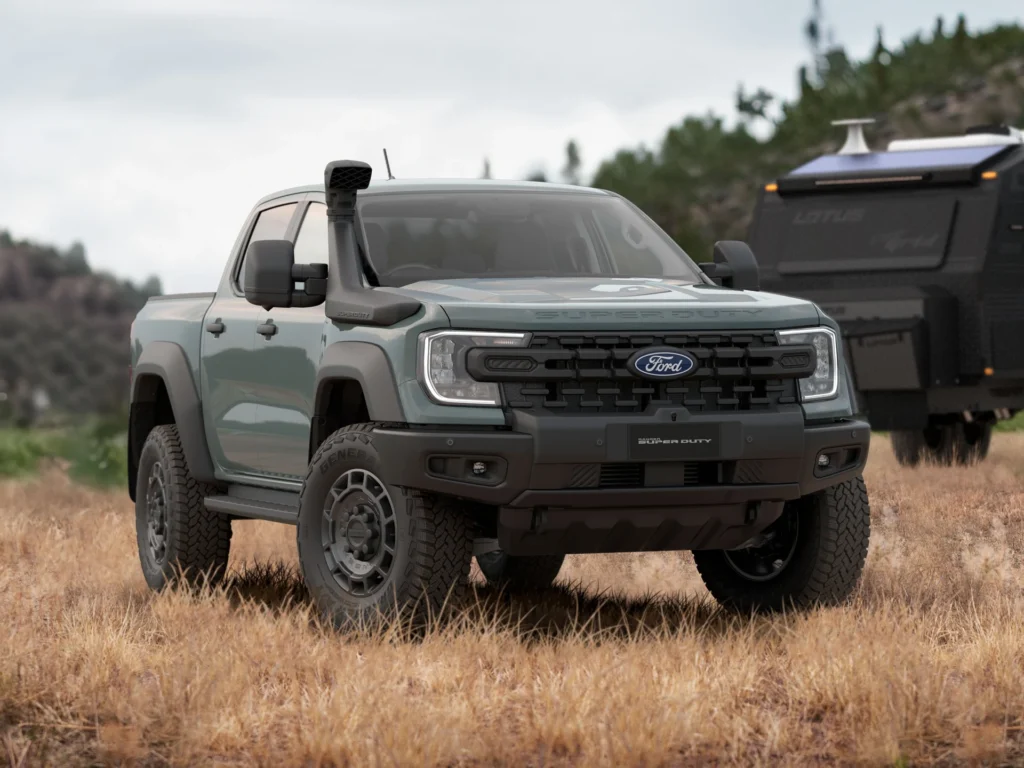
The Ford Ranger is one of the first vehicles many New Zealand tradies consider when shopping for a work ute.
Its appeal comes from versatility. Depending on the exact variant, a Ranger can provide a practical tray or wellside, passenger accommodation, substantial towing capability and the option of 4WD.
A double-cab Ranger can also serve as both a work vehicle during the week and a family or recreational vehicle outside working hours.
For a tradie, however, the most expensive Ranger is not automatically the most useful. Compare payload, tray requirements, towing needs and the equipment you genuinely require before paying for higher specifications.
Adding a canopy, drawers, roof racks, bull bar, towbar or other equipment can also add significant cost and weight.
If the Ranger is already on your shortlist, our Ford Ranger finance NZ guide covers model-specific borrowing and repayment considerations.
2. Toyota Hilux
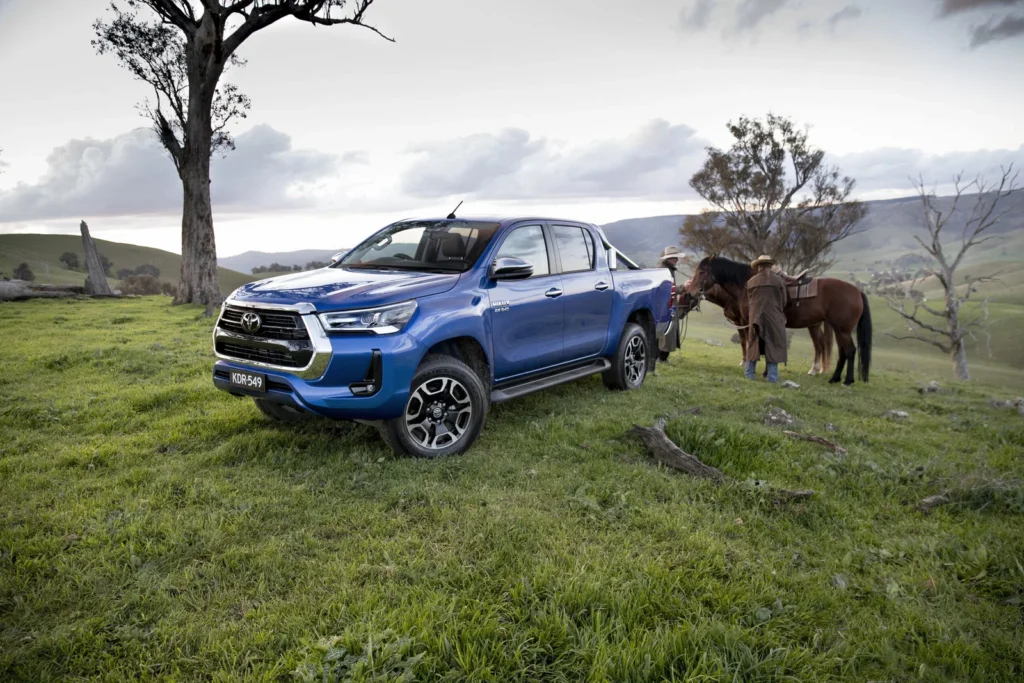
The Toyota Hilux is another established work-ute option for NZ tradies.
Different cab and drivetrain configurations can make the Hilux relevant to everyone from sole operators who primarily need cargo capacity to buyers who also need passenger space.
A double-cab may be attractive when the vehicle performs both business and personal duties, while more work-focused configurations can make sense where load-carrying ability is the priority.
If you tow machinery, trailers or building equipment, check the towing specification of the exact Hilux you intend to buy.
Used Hiluxes cover a broad range of ages and prices, which can give tradies several different borrowing levels to consider.
See our Toyota Hilux finance NZ guide for a dedicated look at financing a Hilux.
3. Mitsubishi Triton
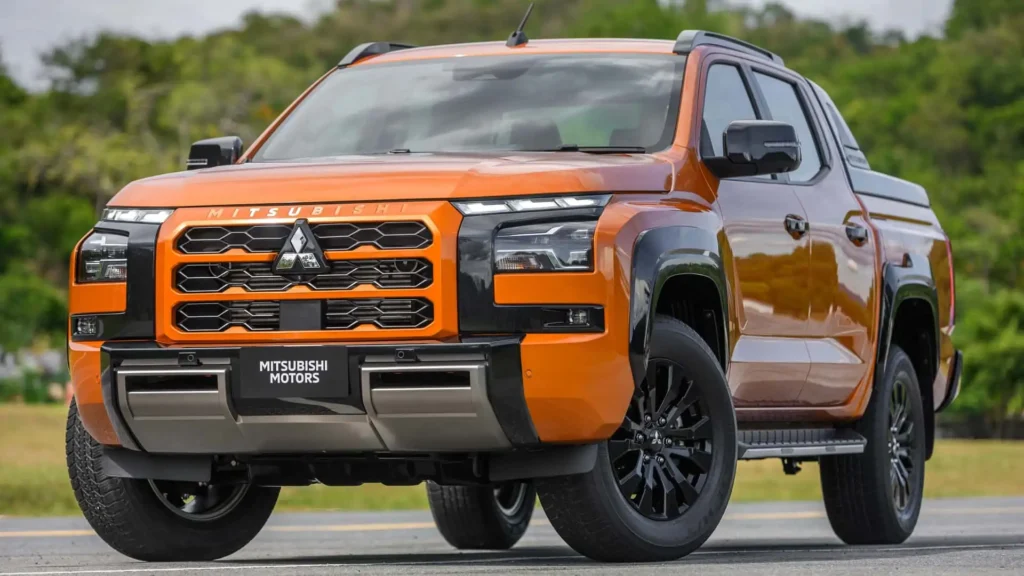
The Mitsubishi Triton can be a useful alternative for tradies comparing double-cab and work-focused utes.
Depending on the model and variant, it can provide towing capability, 4WD availability and useful load-carrying flexibility.
One reason to compare the Triton is price. If it provides the capability your work requires at a lower purchase price than another ute, the difference can materially reduce the amount you need to finance.
Do not compare vehicles on monthly repayments alone. Use the same finance rate and term for each option so you can see how much the purchase-price difference actually changes your borrowing.
If buying used, consider the previous working life of the vehicle and whether it has regularly carried heavy loads, towed or operated in demanding conditions.
Our Mitsubishi Triton finance NZ guide provides more model-specific finance information.
4. Isuzu D-Max
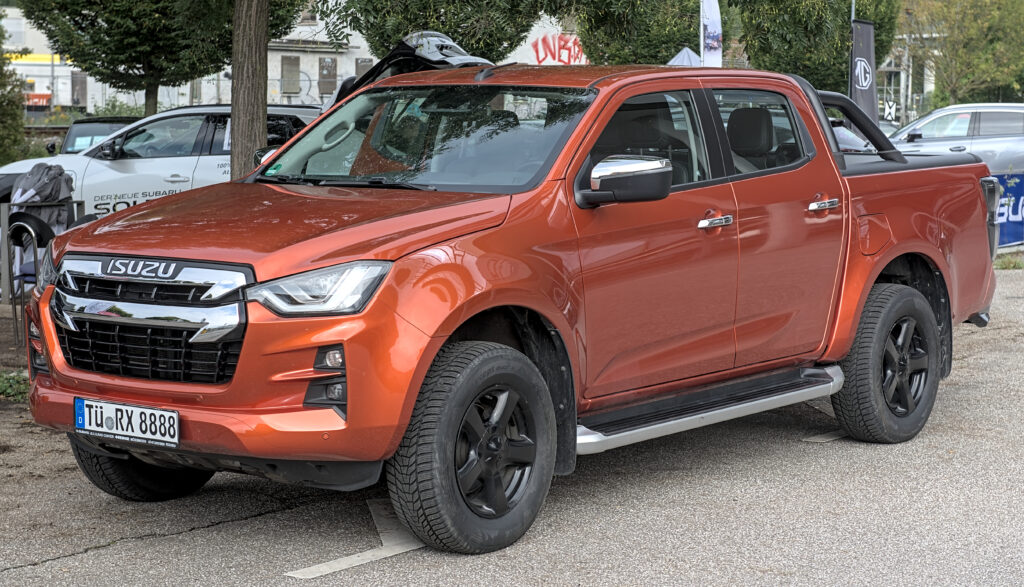
The Isuzu D-Max is another ute worth comparing when work capability is a major part of the buying decision.
It can suit tradies who need a vehicle for carrying equipment, travelling between worksites and potentially towing trailers or machinery.
Payload deserves particular attention when setting up any work ute. Toolboxes, canopies, drawers, roof racks, passengers and permanently carried equipment all use some of the vehicle's available carrying capacity.
This means a heavily accessorised work ute can have considerably less capacity remaining for tools and materials than the headline payload figure might initially suggest.
Before buying, work out roughly what your normal equipment weighs and check the specifications of the exact vehicle.
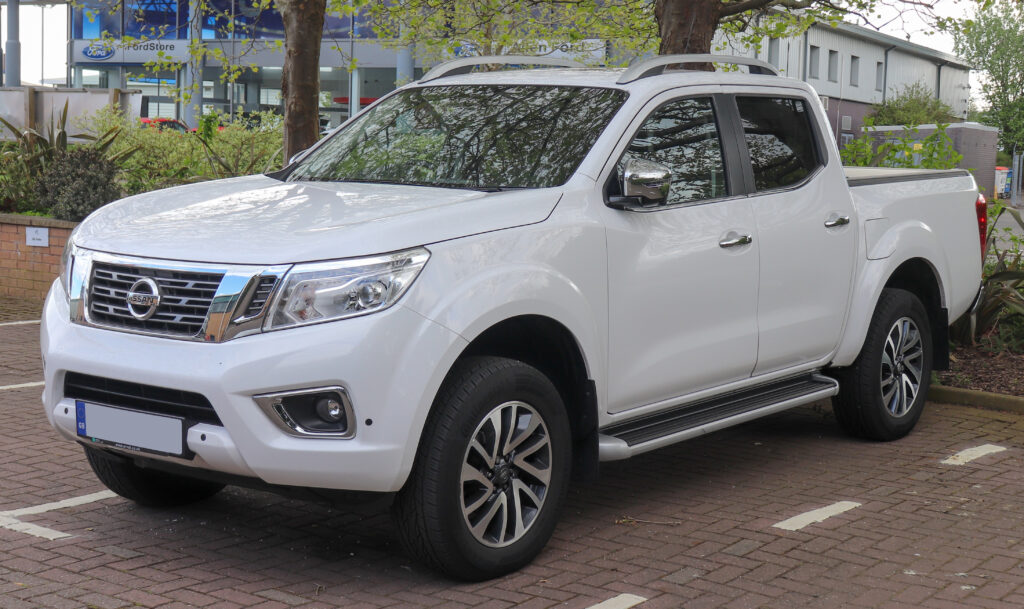
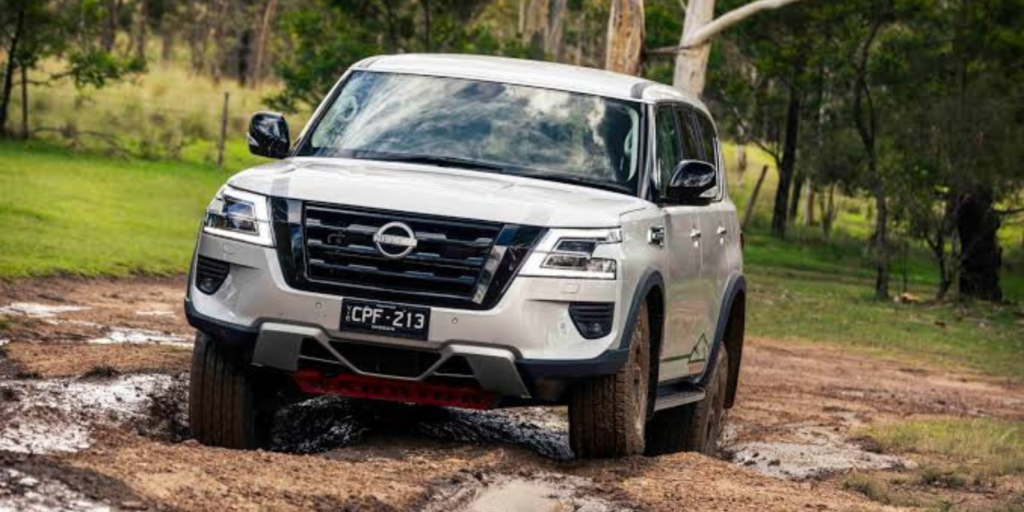
5. Nissan Navara
The Nissan Navara provides another option for tradies wanting a ute that can perform both work and everyday duties.
Double-cab versions can provide passenger accommodation while retaining a separate load area for tools, materials or equipment.
If your work involves towing, check the towing and vehicle-loading limits of the exact variant rather than assuming every Navara provides identical capability.
A canopy can make a Navara substantially more useful for trades that need weather-protected storage, but it also adds purchase cost and vehicle weight.
When financing a work ute, include the cost of the setup you actually require rather than budgeting only for the base vehicle.
See our Nissan Navara finance NZ guide for more information.
6. Toyota Hiace
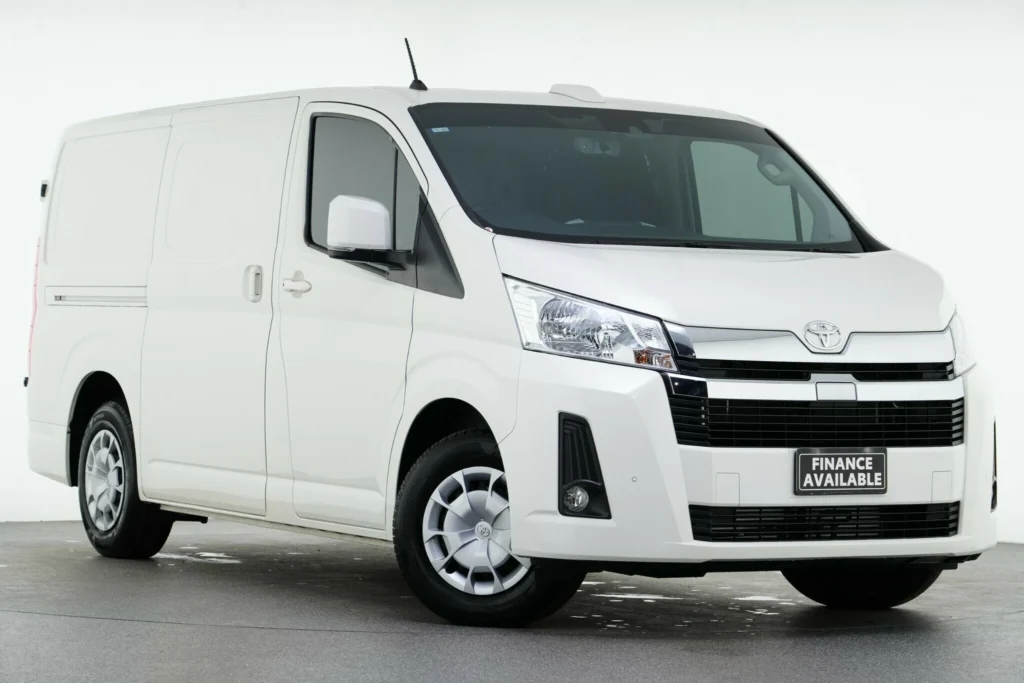
The Toyota Hiace represents a very different approach to the traditional tradie ute.
Its enclosed cargo area can be particularly useful for electricians, plumbers, builders, technicians and other trades carrying valuable tools and equipment.
A van can be fitted with shelving, drawers, partitions and storage systems that turn the vehicle into a mobile workspace rather than simply a way to transport equipment.
Enclosed storage also provides protection from weather and can make it easier to keep tools out of immediate view when the vehicle is parked.
The trade-off is that a van does not provide the same open-load flexibility as a ute and may be less suitable for some rough-site or recreational requirements.
For a tradie who spends most of the working week on sealed roads carrying tools between jobs, however, the Hiace can make a compelling alternative to a double-cab ute.
7. Ford Transit Custom
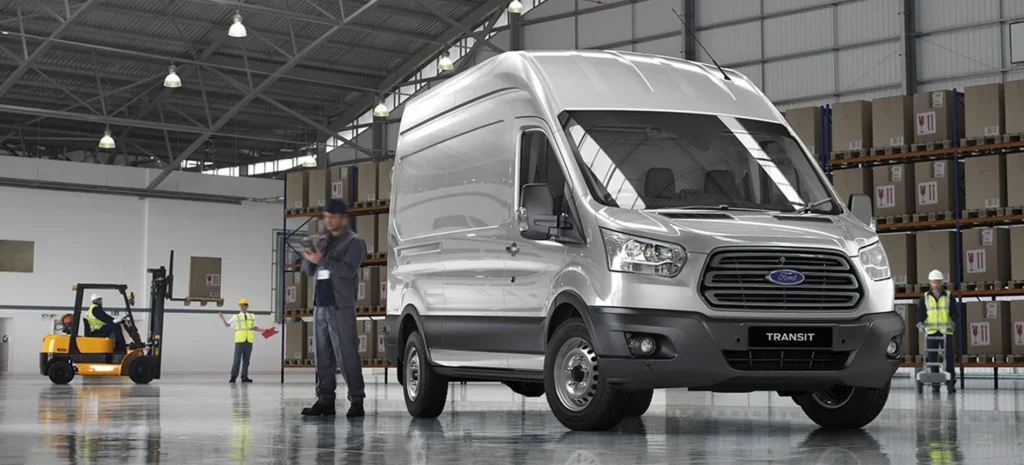
The Ford Transit Custom is another work-van option worth comparing if secure and organised cargo space is more important than having a ute tray.
The enclosed load area can be configured around the trade, with shelving and storage allowing frequently used equipment to remain organised and accessible.
This can be particularly useful for electricians, plumbers, HVAC technicians and mobile service businesses that carry many smaller tools and components.
A van can also help separate work equipment from the passenger cabin.
Before choosing a Transit Custom, compare the exact vehicle's payload, cargo dimensions, drivetrain and towing capability with the equipment your business actually carries.
As with a ute, the fit-out itself can add to the total vehicle cost, so include shelving, storage or other essential equipment in your purchasing budget.
8. Volkswagen Transporter
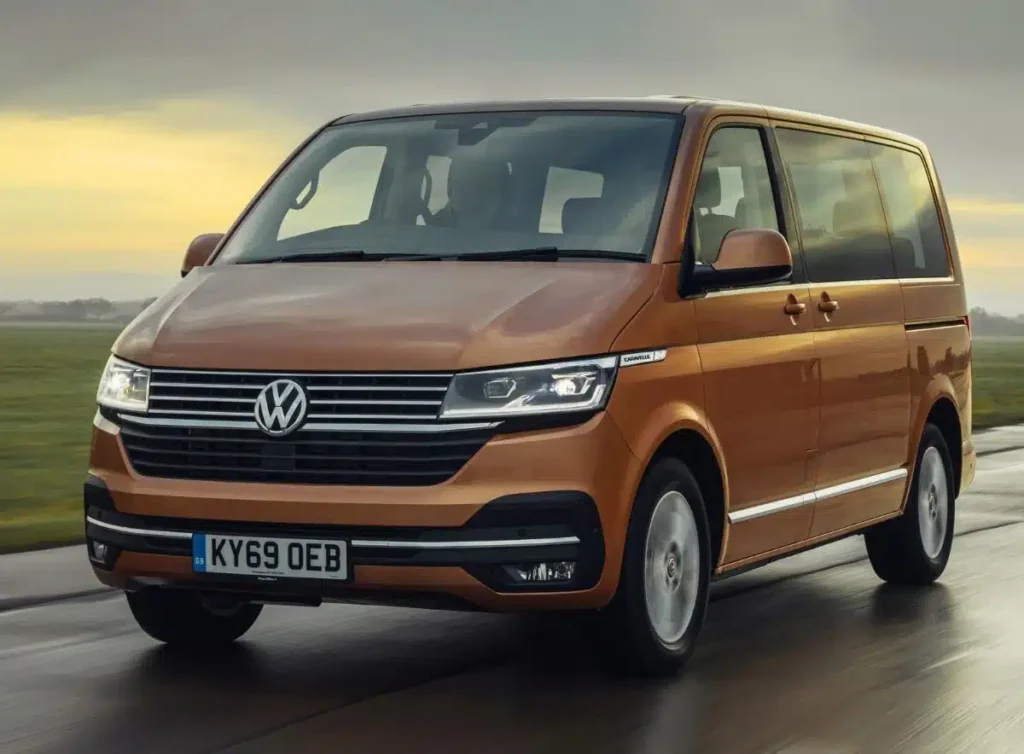
The Volkswagen Transporter is another established van platform that can suit trades needing substantial enclosed storage.
Its value to a tradie is less about off-road ability and more about turning the rear of the vehicle into an organised working environment.
For trades carrying valuable tools, an enclosed van can also reduce the need for a separate canopy or large external toolboxes.
Different Transporter configurations and generations can vary considerably, so compare the exact vehicle rather than relying on the model name alone.
If buying used, check service history, cargo-area condition and evidence of the type of commercial work the vehicle has previously performed.
A well-configured used van can potentially provide a lot of practical work capacity without requiring the purchase price of a high-specification new ute.
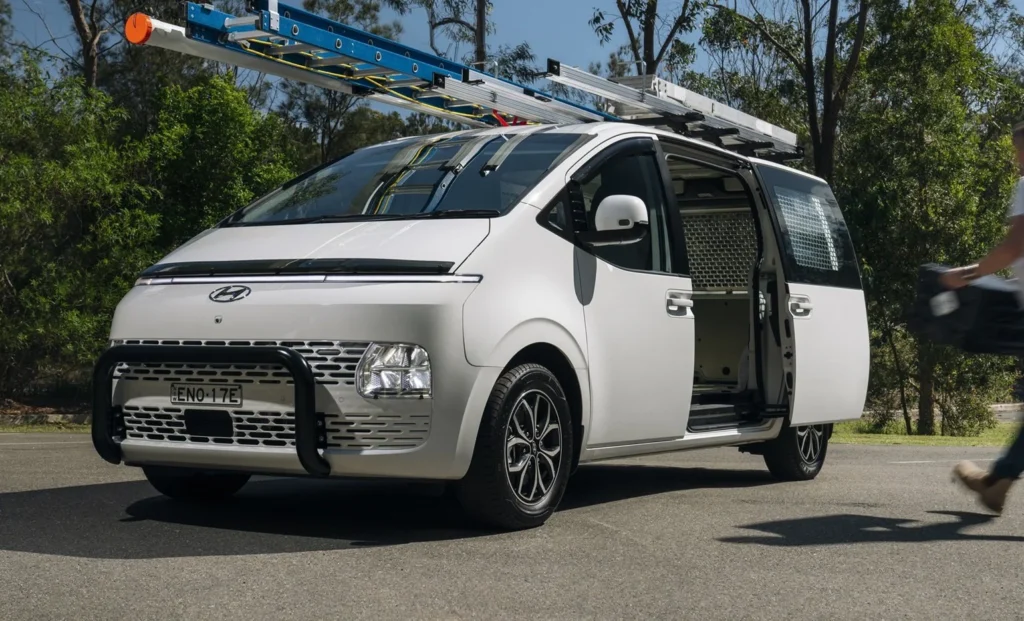
9. Hyundai Staria Load
The Hyundai Staria Load is another van option for tradies who prioritise enclosed cargo capacity and road-based work.
It can suit businesses that carry tools, parts or equipment between customer locations and do not require the off-road capability of a 4WD ute.
The large enclosed rear area can also be configured with shelving or other trade-specific storage.
For urban trades, a van can make particularly good sense because most journeys involve sealed roads, customer driveways and commercial sites rather than rough terrain.
Compare the Staria Load's dimensions and payload with your actual equipment and consider whether a van layout would reduce the amount of time spent loading, unloading and organising tools each day.
Popular tradie vehicles to compare
| Vehicle | Type | Could suit |
|---|---|---|
| Ford Ranger | Ute | Tradies needing an all-round work, towing and personal vehicle. |
| Toyota Hilux | Ute | Worksites, materials, towing and mixed business/personal use. |
| Mitsubishi Triton | Ute | Buyers comparing capable work utes at different price points. |
| Isuzu D-Max | Ute | Payload and towing-focused work. |
| Nissan Navara | Ute | Mixed passenger, work and towing requirements. |
| Toyota Hiace | Van | Trades carrying large quantities of tools and equipment. |
| Ford Transit Custom | Van | Organised mobile workshops and urban service trades. |
| Volkswagen Transporter | Van | Enclosed storage and road-based commercial work. |
| Hyundai Staria Load | Van | Urban trades needing secure and practical cargo space. |
Best vehicle for builders
Builders can have some of the most varied vehicle requirements because the load can change considerably from one job to the next.
A ute can be particularly useful for carrying timber, building materials, dirty equipment and items that are awkward to place inside an enclosed vehicle.
Roof racks can add flexibility for longer materials, while towing capability can be useful for trailers and equipment.
A van can still make sense for builders carrying a large collection of power tools that need to remain secure and protected from weather.
Some builders may therefore find the ideal setup is determined by whether materials or tools make up the majority of the everyday load.
Best vehicle for electricians
Electricians often carry a large number of smaller tools, consumables, cable and components rather than regularly transporting dirty bulk materials.
That can make an enclosed van particularly useful.
Shelving can create dedicated locations for equipment, reducing the amount of time spent searching through toolboxes between jobs.
A ute with a secure canopy can achieve a similar result while retaining the flexibility of a ute platform.
For electricians working almost entirely in urban and suburban areas, consider whether paying extra for substantial 4WD or towing capability provides any meaningful day-to-day benefit.
Best vehicle for plumbers
Plumbers can benefit from both vans and utes depending on the type of work performed.
A van can provide organised storage for tools, fittings and parts, while roof racks can accommodate longer items.
A ute may be preferable where dirty equipment, excavation work, towing or rough-site access are regular requirements.
Security is particularly important when valuable equipment remains in the vehicle between jobs.
Compare how much time you spend accessing tools during a normal working day. A well-organised load area can be more valuable than buying a more expensive vehicle with capabilities you rarely use.
Best vehicle for landscapers
Landscapers often have stronger reasons to consider a ute because soil, plants, tools and dirty equipment are easier to carry in a separate load area.
Towing can also be important for trailers, mowers and other machinery.
Where work takes place on rural properties or unfinished sites, ground clearance and drivetrain capability can become more relevant.
Payload should be checked carefully because accessories, equipment and trailer download can all add load to the vehicle.
Our best cars for towing NZ guide is particularly relevant if trailers or machinery form a major part of your work.
Best vehicle for mobile service trades
Mobile technicians and service businesses can have very different requirements from construction trades.
If the vehicle spends almost all of its time travelling between customer locations on sealed roads, enclosed storage, fuel use and ease of access may matter much more than off-road capability.
A van can effectively become a mobile storeroom, with tools and parts arranged according to how frequently they are used.
That organisation can have a productivity benefit as well as a storage benefit.
For this type of work, compare the cost of a properly fitted-out van with the cost of purchasing a ute and adding a canopy, drawers and other storage equipment.
Single cab, extra cab or double cab ute?
Cab configuration can significantly change how useful a ute is for work.
A single-cab ute can prioritise load area and may suit operators who rarely need to carry passengers.
An extra-cab configuration can provide some additional internal space while retaining more load area than many double cabs.
Double-cab utes provide proper rear passenger seating and are often attractive to tradies who use one vehicle for both business and family life.
The compromise is that additional cab space can reduce the relative amount of vehicle devoted to the tray or wellside.
Choose according to how many people the vehicle genuinely needs to carry rather than automatically selecting a double cab.
How important is payload for a tradie?
Payload can be one of the most overlooked specifications when choosing a work vehicle.
Everything added to the vehicle contributes to its load: the driver, passengers, tools, materials, canopy, drawers, roof racks, bull bar and other equipment.
A ute advertised with a strong payload figure may have less capacity remaining once it has been fully fitted out for work.
The same applies to vans. Shelving, partitions and permanently carried equipment use part of the available payload.
Before buying, estimate the weight of the equipment you carry on a typical heavy working day and compare it with the specifications of the exact vehicle.
Tool security: ute canopy vs enclosed van
Tool security can influence the entire ute-versus-van decision.
An open ute tray generally requires lockable toolboxes or a secure canopy if valuable equipment will remain in the vehicle.
A van provides an enclosed load area from the outset, although appropriate security measures are still important.
Think about visibility as well as locking. Tools left clearly visible can create unnecessary risk.
If you regularly leave a work vehicle parked overnight with equipment inside, consider the storage and security setup as part of the vehicle purchase rather than an afterthought.
Do tradies need 4WD?
Not every tradie needs a 4WD work vehicle.
If your working day consists almost entirely of sealed roads, driveways and established commercial sites, a 2WD vehicle may provide everything you require.
4WD can become more useful for builders, landscapers, rural contractors and other trades regularly travelling onto unfinished sites, farms, gravel or soft ground.
A 4WD variant can cost more than an equivalent 2WD vehicle, which can increase the amount you need to finance.
Choose it because your work requires it rather than simply because 4WD is available.
For more detail, see our 4WD finance NZ guide.
How much towing capacity does a tradie need?
Towing requirements vary dramatically between trades.
Some tradies may never tow anything heavier than a small utility trailer, while others regularly move machinery, building materials or heavy equipment.
Start with the actual loaded trailer rather than choosing the vehicle with the largest headline towing figure.
Payload and vehicle loading also matter because tools, passengers and accessories can already place significant weight on a work vehicle.
If towing is a major part of your work, our best cars for towing NZ guide goes into towing capacity, payload, tow-ball load and combination limits in more detail.
Should you buy a new or used tradie vehicle?
Buying new can provide a vehicle with minimal previous use and potentially current manufacturer warranty coverage, depending on the vehicle and terms.
Buying used can substantially reduce the purchase price and therefore the amount that needs to be financed.
The previous life of a used work vehicle is particularly important.
A five-year-old ute that has spent its life carrying heavy loads on worksites can be a very different proposition from one that has primarily been used for normal road driving.
Look at service history, kilometres, general condition and evidence of demanding commercial or off-road use.
Consider an appropriate independent pre-purchase inspection before purchasing.
Our used car finance NZ guide covers financing used vehicles in more detail.
Used tradie vehicle checklist
Service history
Commercial vehicles can accumulate demanding kilometres, making maintenance history particularly useful.
Tray or cargo area
Heavy wear can provide clues about the vehicle's previous working life.
Suspension
Repeated heavy loads can place additional demands on suspension components.
Drivetrain
Consider whether the vehicle has regularly towed or operated in demanding conditions.
Tyres
Replacing commercial or ute tyres can create an early ownership expense.
Accessories
Check that canopies, racks, drawers and towing equipment suit your needs and are in appropriate condition.
Should you finance a cheaper work vehicle or spend more?
A more expensive work vehicle can be worthwhile if it provides capabilities that genuinely make your business more efficient.
The important distinction is between productive features and features you simply like.
For example, spending more on a suitable van fit-out that saves time locating tools may provide real practical value.
Paying significantly more for off-road capability you never use may not.
Compare several vehicles at different price points and calculate the repayment difference.
This turns a vague decision about whether one vehicle is 'worth the extra money' into a specific monthly cost.
Example tradie vehicle repayments at 8.45% p.a. over 5 years
| Amount financed | Approx. monthly repayment |
|---|---|
| $20,000 | $410 |
| $30,000 | $615 |
| $40,000 | $820 |
| $50,000 | $1,025 |
| $60,000 | $1,230 |
| $70,000 | $1,434 |
| $80,000 | $1,639 |
About these work-vehicle repayment examples
The repayment examples use an indicative interest rate of 8.45% p.a. over five years and are intended to illustrate the effect of different loan amounts.
They exclude applicable fees and should not be treated as a quote, approval or guaranteed interest rate.
Your actual rate, repayment, loan amount and terms depend on the lender and assessment of your application.
The table is particularly useful when comparing vehicles. For example, moving from $40,000 financed to $60,000 financed increases the indicative repayment from around $820 to around $1,230 per month under the same assumptions.
That approximately $410 monthly difference should be considered against the practical or business benefit the more expensive vehicle provides.
For more detail, see our car loan repayments NZ guide.
Compare repayments on your next work vehicle
Compare repayments on your next work vehicle
Use AutoLoan's calculator to compare different ute and van budgets using the same interest rate and loan term.
Compare Work Vehicle Repayments →Don't forget the cost of setting up a tradie vehicle
The advertised vehicle price may not represent the final cost of getting a work vehicle ready for your trade.
A ute may require a canopy, hard lid, toolboxes, drawers, roof racks, towbar, tray modifications or other equipment.
A van may require shelving, drawers, a cargo barrier, roof racks or trade-specific storage.
Depending on the setup, these additions can represent thousands of dollars beyond the vehicle purchase price.
Work out your complete required setup before deciding how much vehicle you can afford.
If accessories are being included in a finance arrangement, understand exactly how much is being borrowed and the total cost of financing those additions.
The real monthly cost of a tradie vehicle
A work vehicle costs considerably more than its loan repayment.
Fuel, Road User Charges where applicable, insurance, servicing, tyres, registration, repairs and work-vehicle accessories all need to be considered.
A vehicle covering high annual kilometres can make fuel economy and servicing particularly important.
Likewise, a cheaper used vehicle can require more maintenance than a newer alternative.
Estimate the complete monthly or annual cost of each vehicle rather than comparing finance repayments in isolation.
Work vehicle costs to budget for
Finance
The regular vehicle-loan repayment and applicable borrowing costs.
Fuel
High annual work kilometres can make relatively small fuel-consumption differences meaningful.
RUC
Include Road User Charges where they apply to the vehicle.
Insurance
Make sure the insurance arrangement is appropriate for how the vehicle is actually used.
Servicing
Commercial use and high kilometres can make maintenance a significant annual expense.
Tyres and repairs
Keep room in the business or household budget for wear items and unexpected maintenance.
Can you finance a ute or van with no deposit?
Some borrowers may have vehicle-finance options without contributing a cash deposit, subject to lender criteria and approval.
No-deposit finance generally means financing more of the purchase price.
That produces a larger starting loan balance than making a deposit, assuming the same vehicle purchase.
For a work vehicle, consider whether retaining cash for tools, materials and operating expenses is more valuable to your circumstances than reducing the loan balance.
Our no deposit car finance NZ guide explains no-deposit vehicle finance in more detail.
Should you put a deposit on a tradie vehicle?
A deposit reduces the amount of the vehicle purchase that needs to be financed.
That can lower repayments and the total dollar amount of interest when other loan terms remain unchanged.
However, a self-employed tradie or small business may also value maintaining cash reserves for materials, tools and unexpected expenses.
The right decision depends on your wider financial circumstances rather than simply trying to minimise the loan at any cost.
See our car loan deposit NZ guide for more information.
What loan term should you choose for a work vehicle?
A longer loan term can reduce the regular repayment by spreading the balance over more payments.
A shorter term generally creates a higher regular repayment but repays the debt sooner.
For a high-kilometre commercial vehicle, think about how old the vehicle and how many kilometres it may have travelled by the time the finance ends.
A low monthly repayment can look attractive but should be considered alongside total interest and how long you expect the vehicle to remain useful to the business.
Our car loan terms NZ guide explains the trade-off in more detail.
What interest rate could you get on a tradie vehicle?
There is no single interest rate that applies to every tradie, ute or work van.
AutoLoan uses 8.45% p.a. as its indicative default calculator rate to make vehicle comparisons easier.
This is not a guaranteed Simplify or lender rate.
Your actual rate is determined by the relevant lender after assessing your application and may be lower or higher.
The applicant's circumstances, credit profile, requested loan amount, vehicle and other factors can affect the finance available.
For more information, see our car loan interest rates NZ guide.
Can a self-employed tradie get vehicle finance?
Being self-employed does not automatically prevent someone from obtaining vehicle finance.
The information required and the way income is assessed can differ depending on the lender and application.
Lenders may need information that helps them assess income, expenses, existing commitments and the affordability of the proposed loan.
The exact documentation required varies, so avoid assuming every lender assesses self-employed applicants in exactly the same way.
AutoLoan partners with Simplify Finance, which handles applications and can assess available vehicle-finance options through its lender panel, subject to lender criteria and approval.
Can you finance a work vehicle from a private seller?
A used ute or van purchased privately may potentially be financed, subject to lender and vehicle requirements.
The process can differ from buying through a dealership because information about the seller and vehicle may be required before settlement.
Carry out appropriate vehicle checks regardless of how the purchase is being financed.
Finance approval should never be treated as confirmation that the vehicle is mechanically sound.
Our private sale car finance NZ guide explains the process in more detail.
Should a tradie arrange finance before choosing the vehicle?
Working out an indicative finance budget before shopping can be particularly useful for tradies because work vehicles cover such a wide price range.
You may be comparing a $25,000 used van with a $70,000 late-model double-cab ute.
Understanding the repayment difference before shopping can help keep the decision focused on what the business actually needs.
Final approval can still depend on the particular vehicle and lender assessment.
Our car finance pre-approval NZ guide explains this distinction.
How to choose your next tradie vehicle
List what you carry
Write down the tools, materials and equipment normally carried on a busy working day.
Decide between ute and van
Choose between open-load versatility and enclosed organised storage.
Check payload and towing
Make sure the exact vehicle can appropriately handle the loads your work requires.
Price the complete setup
Include canopies, shelving, roof racks, drawers, tow equipment and other essentials.
Set your finance budget
Compare repayments at several purchase-price levels before choosing a vehicle.
Include operating costs
Budget for fuel, RUC where applicable, insurance, tyres and servicing.
Inspect used vehicles
Check service history, condition and evidence of previous demanding commercial use.
Explore your finance options
Once you know what vehicle you need, compare the available finance rather than concentrating only on the advertised repayment.
Found the right ute or van for your work?
Found the right ute or van for your work?
AutoLoan partners with Simplify Finance to help Kiwis explore vehicle-finance options from its panel of 10+ lenders, subject to lender criteria and approval.
Get My Work Vehicle Loan Match →Best cars for tradies NZ: key things to remember
The best tradie vehicle is the one that makes your particular work easier without adding unnecessary cost.
Ford Ranger, Toyota Hilux, Mitsubishi Triton, Isuzu D-Max and Nissan Navara are all utes worth comparing.
Toyota Hiace, Ford Transit Custom, Volkswagen Transporter and Hyundai Staria Load provide van alternatives where enclosed storage is more important.
Builders and landscapers may place more value on towing, trays and site access, while electricians, plumbers and mobile service trades may benefit from secure organised van storage.
Check payload after accounting for passengers, tools, accessories and permanent vehicle fit-out.
Price the complete work setup rather than the base vehicle alone.
When comparing finance, use the same rate and term so the effect of different vehicle prices is clear.
AutoLoan's 8.45% p.a. calculator rate is indicative only and is not a guaranteed lender rate.
AutoLoan is not a lender. Finance applications are handled by Simplify Finance and the relevant lender determines approval, rate, loan amount and terms.
For related reading, see our ute finance NZ guide, best cars for towing NZ guide, Ford Ranger finance NZ guide, Toyota Hilux finance NZ guide, Mitsubishi Triton finance NZ guide, Nissan Navara finance NZ guide, 4WD finance NZ guide and used car finance NZ guide.
Frequently Asked Questions
What are the best cars for tradies in NZ?
Popular options include utes such as the Ford Ranger, Toyota Hilux, Mitsubishi Triton, Isuzu D-Max and Nissan Navara, plus vans such as the Toyota Hiace, Ford Transit Custom, Volkswagen Transporter and Hyundai Staria Load. The best choice depends on the trade and how the vehicle will be used.
What is the best ute for a tradie?
There is no single best ute for every trade. Ranger, Hilux, Triton, D-Max and Navara are all worth comparing based on payload, towing, cab configuration, drivetrain, price and work requirements.
What is the best van for a tradie?
Toyota Hiace, Ford Transit Custom, Volkswagen Transporter and Hyundai Staria Load are examples worth researching. The right choice depends on cargo dimensions, payload, fit-out requirements and budget.
Is a ute or van better for a tradie?
A ute can be better for dirty or oversized loads, towing and rough-site access. A van can be better for secure, weather-protected and organised tool storage. The right choice depends on the work.
What is a good work vehicle for a builder?
Builders may benefit from a ute for materials, towing and dirty equipment, while a van can be useful where secure tool storage is the priority.
What is a good work vehicle for an electrician?
An enclosed van can be particularly useful for electricians because shelving can organise tools, cable and components. A ute with a secure canopy is another option.
What is a good vehicle for a plumber?
Both vans and utes can work well. Vans provide organised enclosed storage, while utes may suit plumbers who carry dirty equipment, tow or regularly access rough worksites.
What is a good vehicle for a landscaper?
A ute can be useful for landscapers because of its separate load area, towing capability and availability of 4WD on many models.
Do tradies need a 4WD ute?
Not necessarily. 4WD is most useful where the work regularly involves unfinished sites, farms, gravel or other low-traction conditions. A road-based trade may not need it.
Is a double-cab ute good for tradies?
A double cab can be useful where the vehicle needs to carry passengers or serve both work and personal purposes. The trade-off can be less load-area length than more work-focused cab configurations.
Is a single-cab ute better for work?
It can be when passenger seating is not important and load-carrying space is the priority. The best configuration depends on how the vehicle is used.
How important is payload on a work vehicle?
Payload can be very important because passengers, tools, materials, accessories and permanent fit-out all contribute to vehicle load.
Can I finance a Ford Ranger for work?
Potentially. Finance depends on the applicant, vehicle and lender criteria. AutoLoan also has a dedicated Ford Ranger finance guide.
Can I finance a Toyota Hilux for work?
Potentially, subject to lender criteria and approval. AutoLoan also has a dedicated Toyota Hilux finance guide.
Can I finance a work van?
Vehicle finance may be available for eligible work vans, subject to the applicant, vehicle and relevant lender criteria.
Can a self-employed tradie get vehicle finance?
Potentially. Being self-employed does not automatically prevent vehicle finance, although the information required to assess income and affordability can vary by lender.
Can I finance a used tradie vehicle?
Potentially. Used work vehicles may be eligible for finance subject to lender vehicle requirements and assessment of the application.
Can I finance a work vehicle bought privately?
Potentially, depending on lender and vehicle requirements. Private-sale finance can require additional seller and vehicle information.
Can I get a work vehicle with no deposit?
Some applicants may have no-deposit vehicle-finance options, subject to lender criteria and approval. Financing more of the purchase price generally creates a larger starting loan balance.
Should I put a deposit on a work vehicle?
A deposit can reduce the amount financed and resulting repayments. However, a business may also need to retain cash for tools, materials and operating expenses.
How much would a $30,000 work vehicle loan cost?
At an illustrative 8.45% p.a. over five years, $30,000 is approximately $615 per month before applicable fees. This is an indicative example only.
How much would a $40,000 work vehicle loan cost?
At an illustrative 8.45% p.a. over five years, $40,000 is approximately $820 per month before applicable fees.
How much would a $50,000 tradie vehicle loan cost?
At an illustrative 8.45% p.a. over five years, $50,000 is approximately $1,025 per month before applicable fees.
How much would a $60,000 tradie vehicle loan cost?
At an illustrative 8.45% p.a. over five years, $60,000 is approximately $1,230 per month before applicable fees.
What interest rate could I get on a work vehicle?
The actual rate depends on the relevant lender and assessment of the application. AutoLoan uses 8.45% p.a. as an indicative calculator rate only, not a guaranteed rate.
Should I finance work-vehicle accessories?
If accessories or fit-out costs are included in a finance arrangement, understand how much extra is being borrowed and how that affects repayments and total borrowing cost.
What should I check when buying a used tradie ute?
Check service history, kilometres, tray condition, suspension, tyres, drivetrain, towing equipment and evidence of previous heavy commercial or off-road use. Consider an appropriate pre-purchase inspection.
What should I check when buying a used work van?
Check service history, cargo-area wear, doors, tyres, suspension, fitted storage and evidence of demanding previous commercial use.
Should I get pre-approved before buying a work vehicle?
An initial or conditional assessment can help establish an indicative budget before shopping. Final approval may still depend on the vehicle and lender assessment.
Can Simplify help with tradie vehicle finance?
AutoLoan partners with Simplify Finance, which handles vehicle-finance applications and can assess options from its panel of 10+ lenders, subject to lender criteria and approval.
Does AutoLoan provide business or vehicle loans?
No. AutoLoan.nz is not a lender. Vehicle-finance applications through AutoLoan are handled by Simplify Finance, and the relevant lender determines approval, rate, loan amount and terms.
This article provides general information only and does not constitute financial, tax, accounting, legal, mechanical or business advice, finance pre-approval, or an offer or guarantee of credit. Vehicle payloads, towing capacities, dimensions, specifications and equipment vary between models, variants and model years and should be confirmed for the exact vehicle being considered. Work-vehicle and accessory requirements depend on individual use. Finance examples are illustrative only and use an indicative rate of 8.45% p.a. unless stated otherwise. They exclude applicable fees and other costs. Your actual interest rate, repayments, loan amount, fees, terms and eligibility are determined by the relevant lender following assessment and may differ. AutoLoan.nz is not a lender and does not make lending decisions. Finance applications through AutoLoan are handled by our finance partner Simplify Finance and remain subject to lender assessment, criteria and approval.